


Stay In the Know: Only 25¢Follow what's happening in your community with digital access. Sale Ends March 22 |
Attorney General Ken Paxton preaching from a pulpit. State Rep. James Talarico reading old social media posts. Republican U.S. Sen. John Cornyn dancing with his would-be challenger, Democratic U.S. Rep. Jasmine Crockett.
None of these things happened, at least as they appear in campaign ads that have flooded Texas screens over the last several months.
Texas was the first state in the country to ban the use of deepfakes in campaign ads. But the law applies only to state races, not federal contests, meaning it does not cover the U.S. Senate race that has dominated ad spending in Texas and featured the bulk of the AI-generated ads in Texas.
But even where the law does apply, critics say it has significant limitations.
This year's hyper-competitive primaries were awash in AI-generated content — a situation some lawmakers and experts say is troubling and all but certain to get worse ahead of November's high-stakes midterms.
Lawmakers from both parties supported legislation last session to crack down. The House and Senate both passed versions, but neither made it through both chambers. They say the matter is urgent, given how quickly AI is advancing.
"You could pick out AI two years ago. It's tough right now. I get duped. We all do now," said Dade Phelan, a Republican who authored a House bill requiring AI ads to include a disclosure. "It's just a matter of time when it actually flips an election."
Opponents, however, say even with improved technology, the AI ads are clearly fake and no different from any other form of political satire, which is protected by the First Amendment. The vast majority that have been on Texas airwaves this primary were not meant to trick voters so much as they were attempts at comedy.
Read more on the battle over AI here.
 | Isaac Yu, Politics Reporter |
Who's Up, Who's Down

A daily stock market-style report on key players in Texas politics.
Up: Russian oil
The U.S. Treasury Department announced Thursday a 30-day waiver on Russian oil sanctions.
It's a step aimed at freeing up Russian cargoes stranded at sea and easing supply shortages caused by the Iran war, which has oil prices skyrocketing.
Down: Lina Hidalgo
The outgoing Harris County judge was escorted out of the Houston Livestock Show and Rodeo not once, but twice this week.
On Tuesday, Hidalgo was removed from a Megan Moroney concert held at NRG Stadium which came after she attempted to access a premium seating area for which she did not have tickets.
Hidalgo returned to the rodeo Thursday in a bid to obtain camera footage of the incident, in which she said security personnel "manhandled" her. But the judge said Thursday that none of the cameras captured detailed footage of the incident.
What do you think? Hit reply and let me know.
What else is going on in Texas
|
|
|
|
Pick of the day
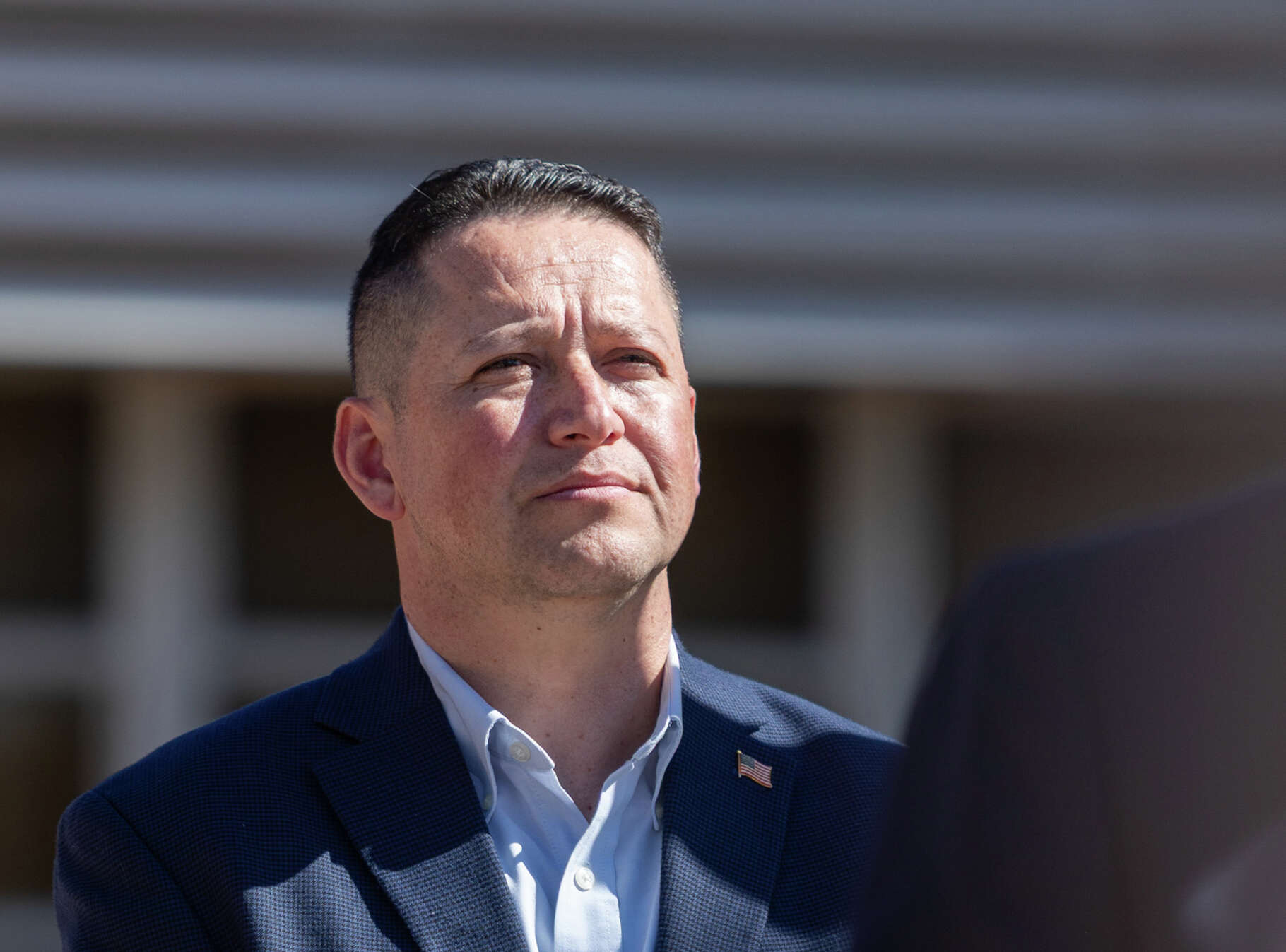
Photo by: Contributor
When members of Congress wanted to sideline U.S. Rep. Tony Gonzales amid his burgeoning sexting scandal, they went looking for more text messages.
A San Antonio lawyer provided them all the ammo they needed. Robert J. "Bobby" Barrera represents Adrian Aviles, whose late wife, Regina Ann Santos-Aviles, ran Gonzales' regional district office in Uvalde. She and the married congressman had an affair in the spring of 2024. A year and a half later, Santos-Aviles took her own life by setting herself on fire.
Barrera is a respected criminal defense attorney who had been exploring a possible civil action against Gonzales for alleged harassment of Santos-Aviles. He believed there might be an avenue for Aviles to pursue monetary damages on his wife's behalf, and he tried to negotiate an out-of-court settlement with Gonzales.
What else I'm reading
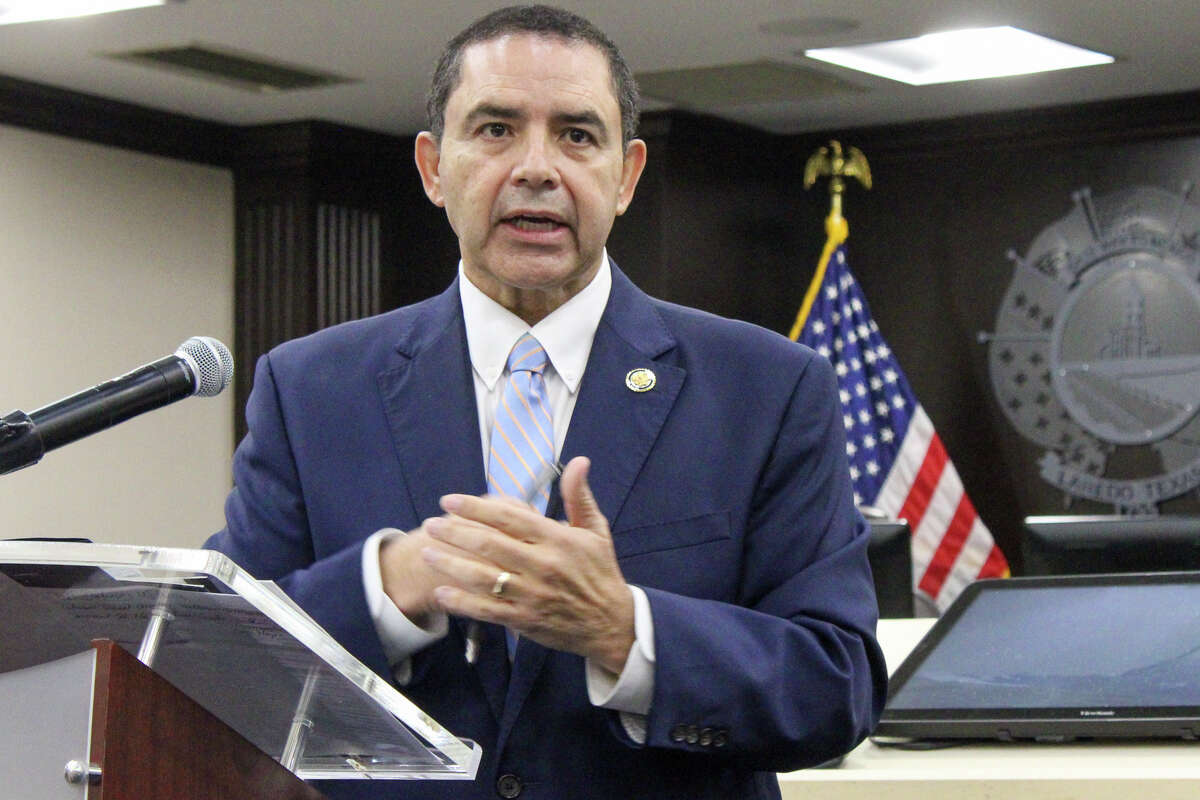
U.S. Rep. Joaquin Castro was central in securing the release of 5-year-old Liam Conejo Ramos from the Dilley detention center last month. Now the New York Times is taking a close look at the San Antonio Democrat's crusade to shut down the family detention center that President Donald Trump reopened.
Castro tells the Times he thinks his pressure campaign is working. On his first visit in January, there were 1,100 people at Dilley. On Monday, he said, the number of detainees was down to about 450.
Recommended Reading
|

|



Unsubscribe | Manage Preferences

Houston Chronicle
4747 Southwest Freeway, Houston, TX 77027
© 2026 Hearst Newspapers, LLC


No comments:
Post a Comment