


March 24, 2026
This Houston coffee plant has a past that has nothing to do with coffee
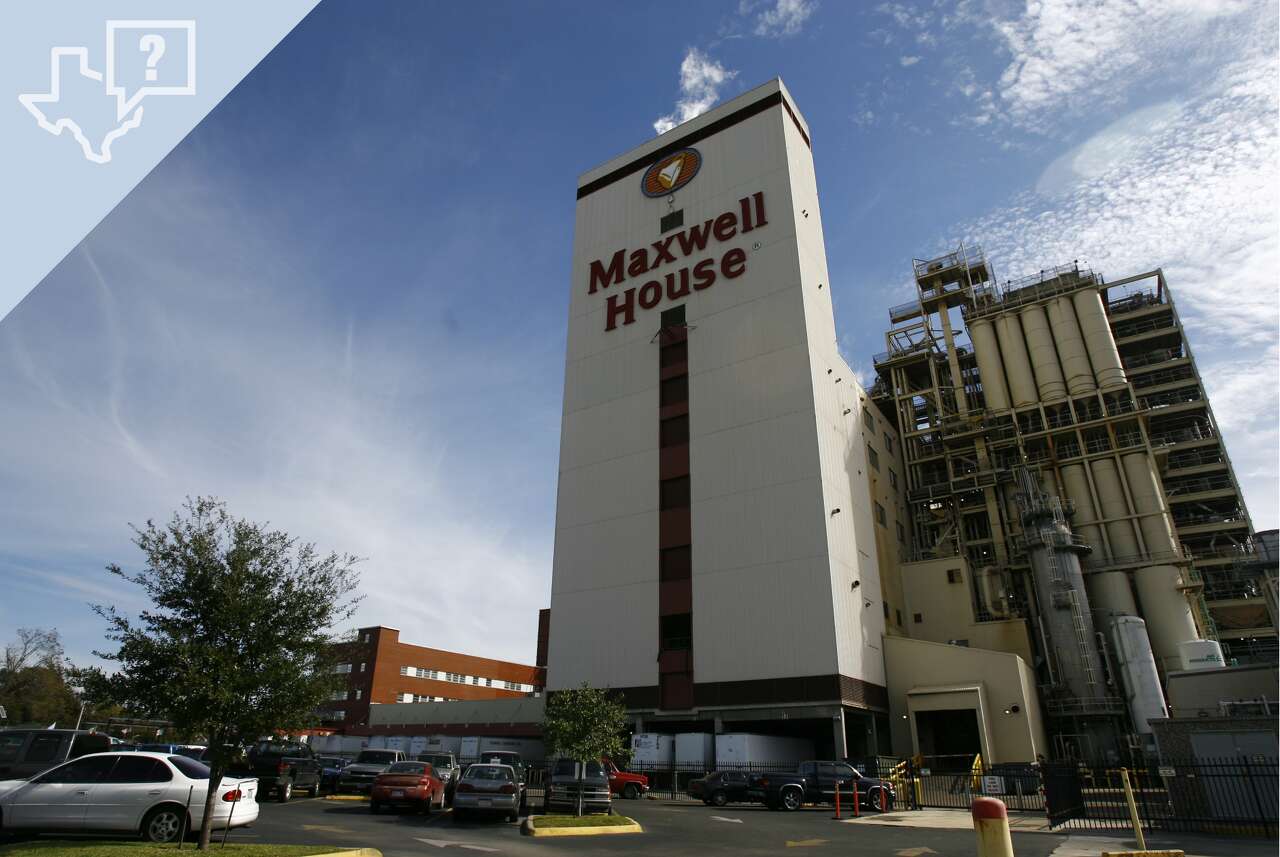
It's hard to miss the hulking former Maxwell House coffee plant in Houston's Second Ward, the sprawling industrial complex that rises above a neighborhood increasingly defined by cheap townhomes, trendy coffee shops and the steady march of gentrification.
To some, it's an eyesore, all concrete and rusty steel in an area that has been moving in a different direction for some time now. But it's also been there for more than a century, its silhouette blending into the massive downtown skyscrapers just a couple of miles away. (The plant even has its own METRORail station!)
So while the building may feel out of place now, it wasn't always. Let's go back to the beginning, long before the smell of roasted coffee ever hung in the air.
What was this building originally built for?
I lured you in with coffee, but that's not what this place was built for at all.
The complex was originally built in 1913 as a Ford Motor Company assembly plant, one of the largest in the South, as demand for the Ford Model T surged. The plant took advantage of Houston's access to railroads and the sea, allowing parts to arrive and assembled vehicles to move out with relative ease.
(Perhaps a little too much ease. In the 1930s, according to Chronicle archives, a group of employees was caught stealing hundreds of dollars' worth of car parts in a scheme that stretched all the way to San Antonio.)
By the 1940s, Ford factories across the globe joined the war effort after the U.S. was dragged into World War II. So the Houston plant was leased to the federal government, and it would never build cars again.
How did the Second Ward coffee plant evolve through the 20th century?
It was sold for $300,000 to the Golden Age and Pepsi-Cola bottling company in April 1944, the company envisioning a massive postwar expansion that would have turned the 18-acre facility into one of its largest operations.
Those plans didn't last long. Within a couple of years, the property was purchased by General Foods.
General Foods converted the former car factory into a Maxwell House coffee plant that, along with the city's Folgers and Maryland Club Coffee operations, made Houston one of the country's largest coffee importers (and it still is). By the mid-1960s, Houston was importing more than 350 million pounds of coffee annually from all over the world.
In 1988, Maxwell House cemented its presence with a 16-story tower topped by a glowing sign. For decades, as Houston's population and economy surged, the smell of roasting beans lingered in the area.
But even that wouldn't last.
What's become of the coffee plant?
The plant's latest chapter has been a steady unraveling.
Maximus Coffee acquired the facility and removed the Maxwell House sign in 2006. In 2014, the company rebranded as Atlantic Coffee Solutions, and just a few years later, in 2018, it laid off nearly 300 employees and ceased operations altogether.
There were later talks of a (since-defunct) Kentucky company converting the site into a hemp production facility, but those plans, intriguing as they were, stalled as the pandemic set in.
 | Jhair Romero, Houston Explained Host |
Recommended Reading
|




Unsubscribe | Manage Preferences

Houston Chronicle
4747 Southwest Freeway, Houston, TX 77027
© 2026 Hearst Newspapers, LLC


No comments:
Post a Comment