


February 24, 2026
Who was Obedience Smith? Much of modern Houston grew from this Texas pioneer's land grant
A Houston Explained reader (thanks, Bill Thomas!) recently asked about one of the more unusual names in the city's early history: Obedience Smith.
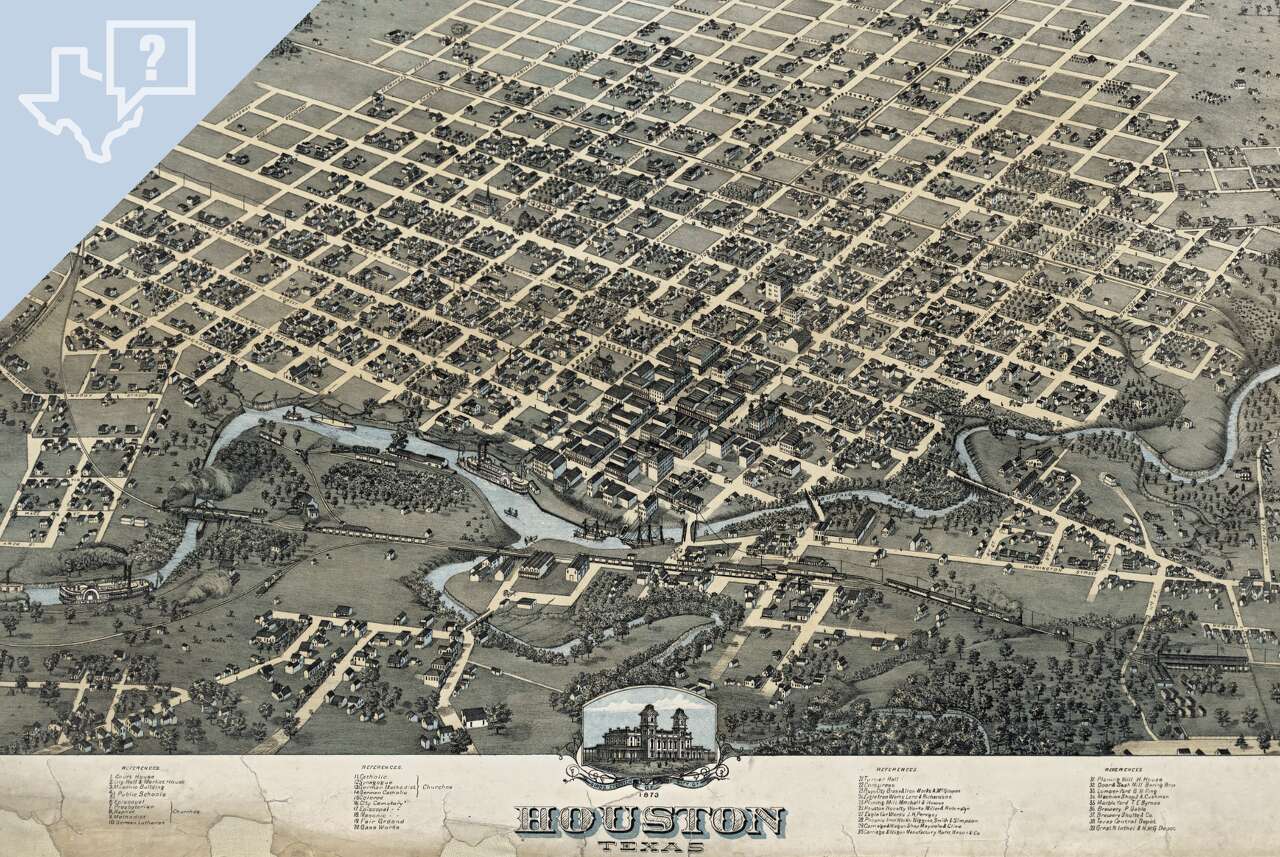
Hers is a story that dates back to before the Republic of Texas, when Houston was little more than a recently established townsite clouded in speculation, surrounded by prairie and dominated by mosquitoes.
Like many of the city's early inhabitants, Smith received a land grant intended to encourage permanent settlement in the region — and it was so large that much of it would eventually be carved into parcels and absorbed into the neighborhoods and streets that make up modern Houston.
So let's hit the books and take a look at the life of one of Houston's earliest pioneers.
Who was Obedience Smith?
Obedience Fort Smith was born in January of 1771 in North Carolina, before the United States was even a country, and spent her life pushing westward. She followed her family to Kentucky, where she had 11 children; then to Mississippi, where she was widowed; and then to Mexican territory in 1836, just weeks before the Texas Republic declared its independence.
For having arrived before Texas was Texas, the new republic bestowed upon Smith a land grant of a league and a labor, about 4,605 acres, in 1838. So when Houston was still in its infancy, before even yellow fever had arrived, this elderly pioneer became one of the town's most prominent landowners with a survey of 5.26 square miles.
Before she died in 1847, Smith became part of the city's early civic life, even helping found the city's First Baptist Church.
The land she owned
Smith's property stretched across a broad swath of what is still Houston's core.
Known as the Obedience Smith survey, the tract covered thousands of acres south and west of the original Houston townsite along Buffalo Bayou.
Here's a roundup of areas that once fell within her property lines: parts of Montrose, the Museum District, Midtown, Southampton and Westmoreland, along with areas near present-day Rice University and Hermann Park.
As Houston expanded in the late 19th and early 20th centuries, Smith's original tract was steadily subdivided. Her name began reappearing everywhere in the city's real estate records, from old deeds to newspaper listings that regularly described property as being "out of the Obedience Smith survey." (Those newspaper listings appeared in editions as far back as 1880, in the Houston Daily Post, and as recently as 2020, in this newspaper.)
Smith left behind little more than those records, but they make clear just how much of Houston grew out of land that was once hers.
 | Jhair Romero, Houston Explained Host |
Recommended Reading
|




Unsubscribe | Manage Preferences

Houston Chronicle
4747 Southwest Freeway, Houston, TX 77027
© 2026 Hearst Newspapers, LLC


No comments:
Post a Comment