The Met Police have officially opened an investigation into claims of sexual assault against Russell Brand. Detectives say they have received a number of "non-recent allegations" from possible victims in London and elsewhere since the story first broke. An NHS hospital trust failed to send out 24,000 letters to patients because they "became lost" in its computer system, says BBC News. Since 2018, messages requiring sign-off from senior doctors at Newcastle Hospitals were placed in a folder that few staff knew existed, meaning "crucial tests and results may have been missed". Donald Trump's presidential campaign has backtracked after claiming he bought a gun engraved with his face. The Republican frontrunner posed with the "Trump edition" 9mm Glock (below) at a shop in South Carolina yesterday – but buying it, as his spokesman initially claimed he had done, would have been illegal, given the former president faces 91 criminal charges. |
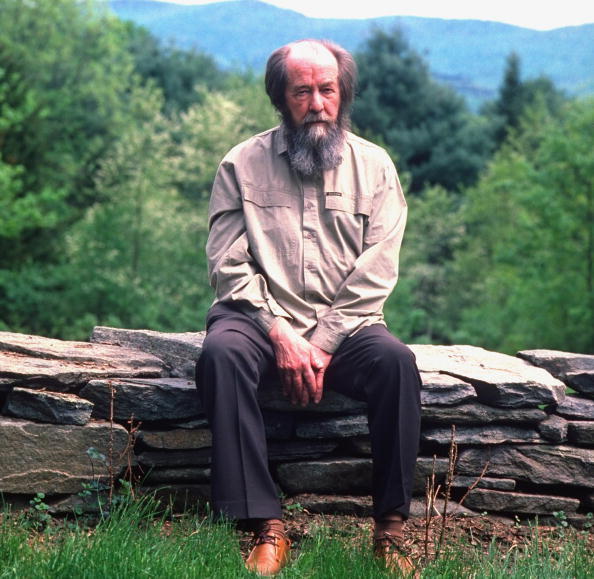
Solzhenitsyn: alive to the nuances of human nature. Steve Liss/Getty |
Solzhenitsyn, Trump, and the line between good and evil |
Reaction to the allegations against Russell Brand have split into "two main schools of thought", says Jemima Kelly in the FT. Either the comedian is a "hero" being subjected to a witch hunt for "standing up to the dark forces of the mainstream establishment". Or he's a "maleficent and misogynistic monster" who should be condemned without any due process. Elon Musk's response demonstrates the dichotomy: "I support Russell Brand," the billionaire posted on X (formerly Twitter). "That man is not evil." But why do we have to choose between supporting him or declaring him evil? |
Aleksandr Solzhenitsyn was right when he wrote, in The Gulag Archipelago, that "the line dividing good and evil cuts through the heart of every human being". Yet we still seem to have an irrepressible urge to place people into "good" and "bad" buckets – and if someone does bad things, we refuse to accept they might possess any virtues at all. When I suggested recently that Donald Trump was funny, "sometimes – whisper it – even deliberately so", I was inundated with furious messages. "He represents the end of democracy," wrote one reader. "That's not so funny." I share the concern about the threat Trump poses to American law and order, but that's a totally different subject to his sense of humour. We need to be able to talk in nuanced terms, "even about those we view as the most pernicious and dangerous members of society". When we just label them villains, we are "encouraging more division". |
|
|
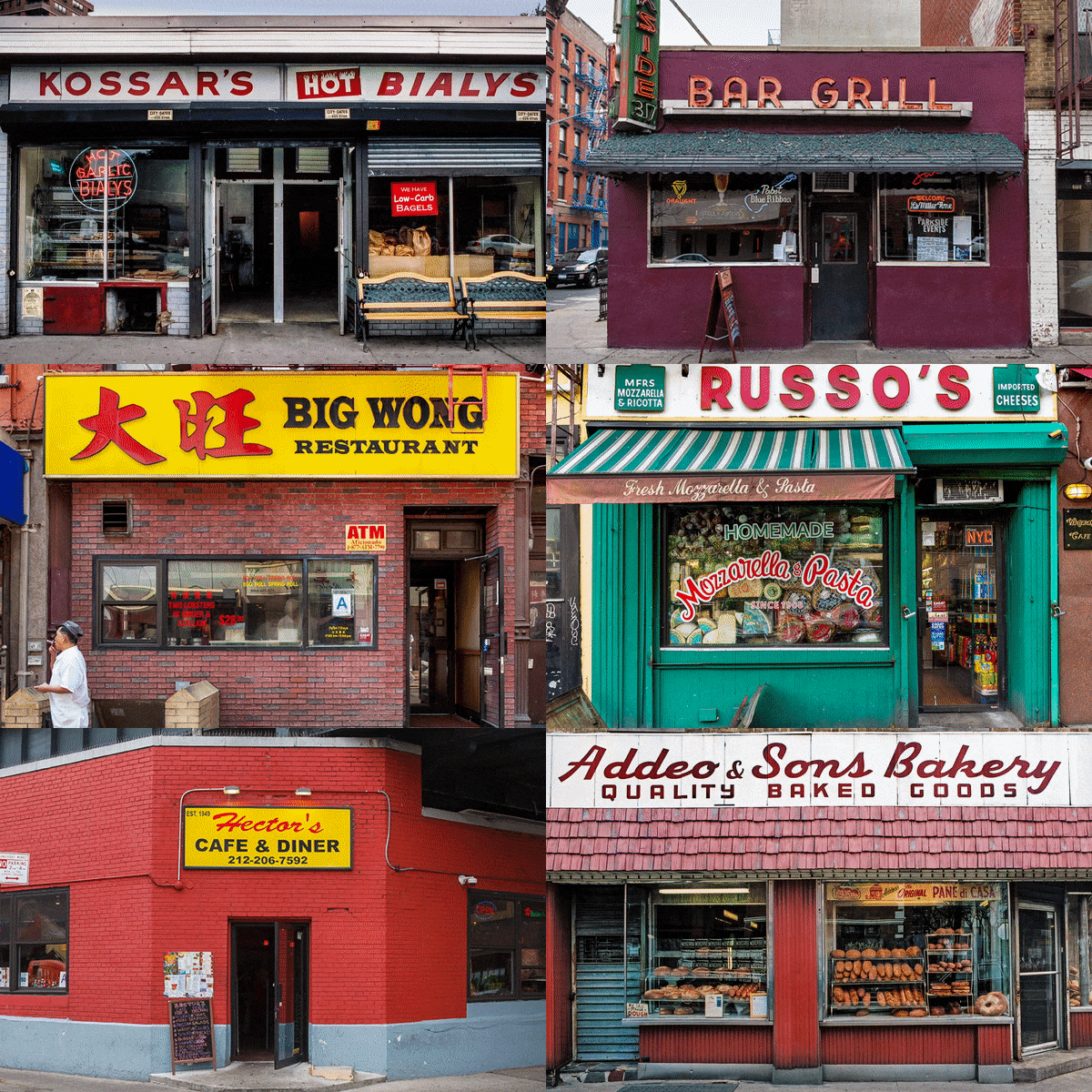
New York Magazine has compiled a gallery of photographs of some of New York City's most "shabby, singular storefronts", celebrating designs that were commissioned by shopkeepers through the decades hoping to entice "a wandering neighbour to actually stop in". See the full collection here. |
|
|
Ukrainian drone attacks on Moscow don't appear to be altering Vladimir Putin's calculus, says Kate de Pury in 1843 magazine, but they're making traffic a nightmare. To help stop the aerial assaults, the Kremlin is believed to have turned off geolocation services in the city, causing havoc with mapping apps and anything else that relies on GPS. Another problem is disruptions to internal flights. Planes are increasingly being delayed or cancelled because of "operational reasons" or "delayed incoming flights" – which travelers assume are euphemisms for drone attacks, "or the signal disruptions aimed at preventing them". |
|
|
Enjoying The Knowledge? Click below to share |
|
|
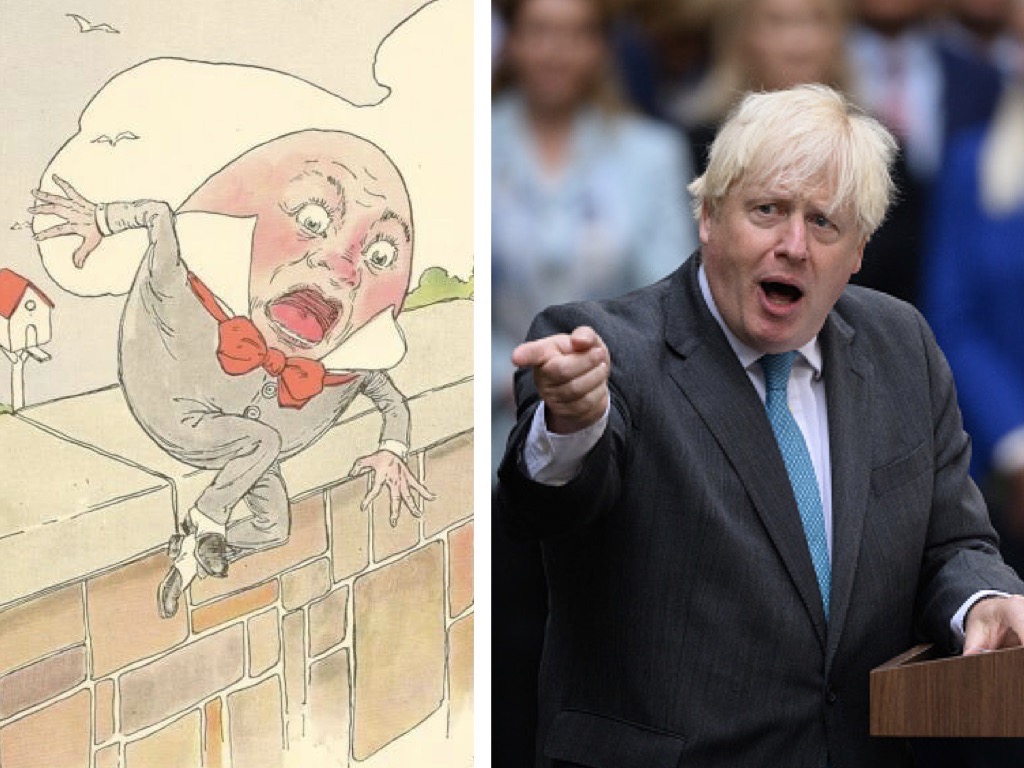
Boris Johnson's resignation speech last year was relatively light on jokes, says Politico, but that's only because his team got him to tone down his original version. As revealed in The Right to Rule, a new book by Ben Riley-Smith, Johnson's first draft made a gag about colleagues trying to send him to the Dignitas euthanasia clinic in Switzerland, and about not asking his supporters to "superglue Humpty together again". He was also adamant that his party was making a mistake by forcing him out. "There is still a part of me," he wrote in the original, "that thinks that if only we could have turned off Twitter and sent the MPs off to the beach, we could've sorted this out and gone on to thrash Labour in the next election." |
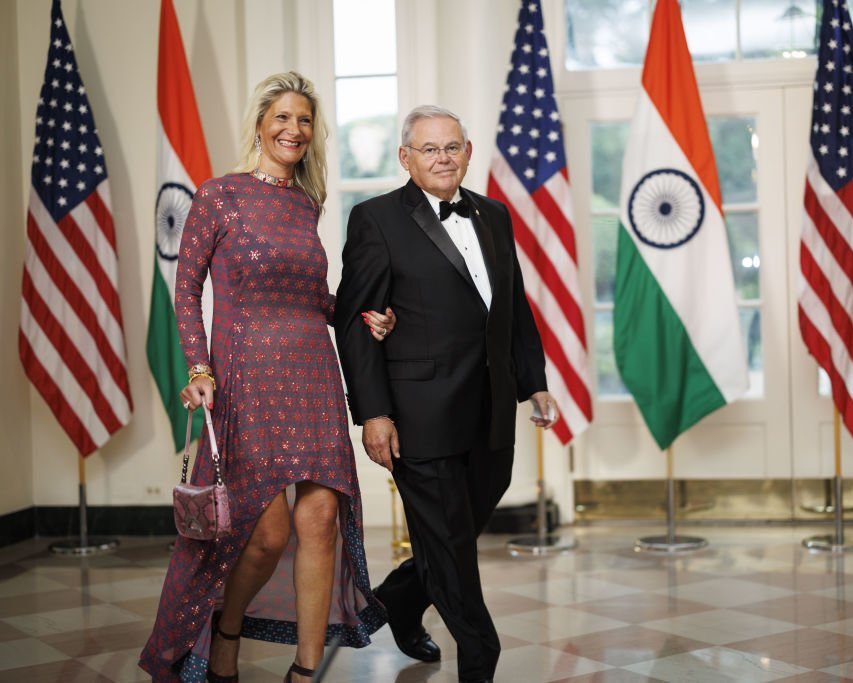
Menendez with his wife (and co-defendant) Nadine. Ting Shen/Bloomberg/Getty |
Fear and loathing in American politics |
If you want a fun read, says David Graham in The Atlantic, look at the indictment papers against Senator Bob Menendez. The Democrat from New Jersey, who denies the charges, stands accused of accepting hundreds of thousands of dollars in bribes to assist the Egyptian government. In a search of his house, FBI agents found cash-stuffed envelopes and more than $100,000 worth of gold bars. They unearthed texts from his wife complaining that another co-defendant hadn't paid the bribes he'd promised. And they allege that the 69-year-old "agreed to derail a prosecution in exchange for a Mercedes C-300 convertible".
|
The fact that Menendez is still in office at all demonstrates what is wrong with American politics. Back in 2015, he was indicted on another "sweeping bribery scheme", but got off after a separate ruling raised the bar for political corruption cases. The Democrats were under pressure to expel him from the Senate then, not least because his ethical lapses undercut their claim that Donald Trump was unfit for office. But they refused, as Menendez probably would have been replaced by a Republican. It's a classic case of "negative partisanship", where people are "more motivated by fear and loathing of the other party than affection or affinity for their own". The same is happening in the presidential election: each party looks set to nominate a candidate not for their "talents or character", but because they're best positioned to beat the other guy. But as the Menendez case shows, there might be "worse things than losing an election". |
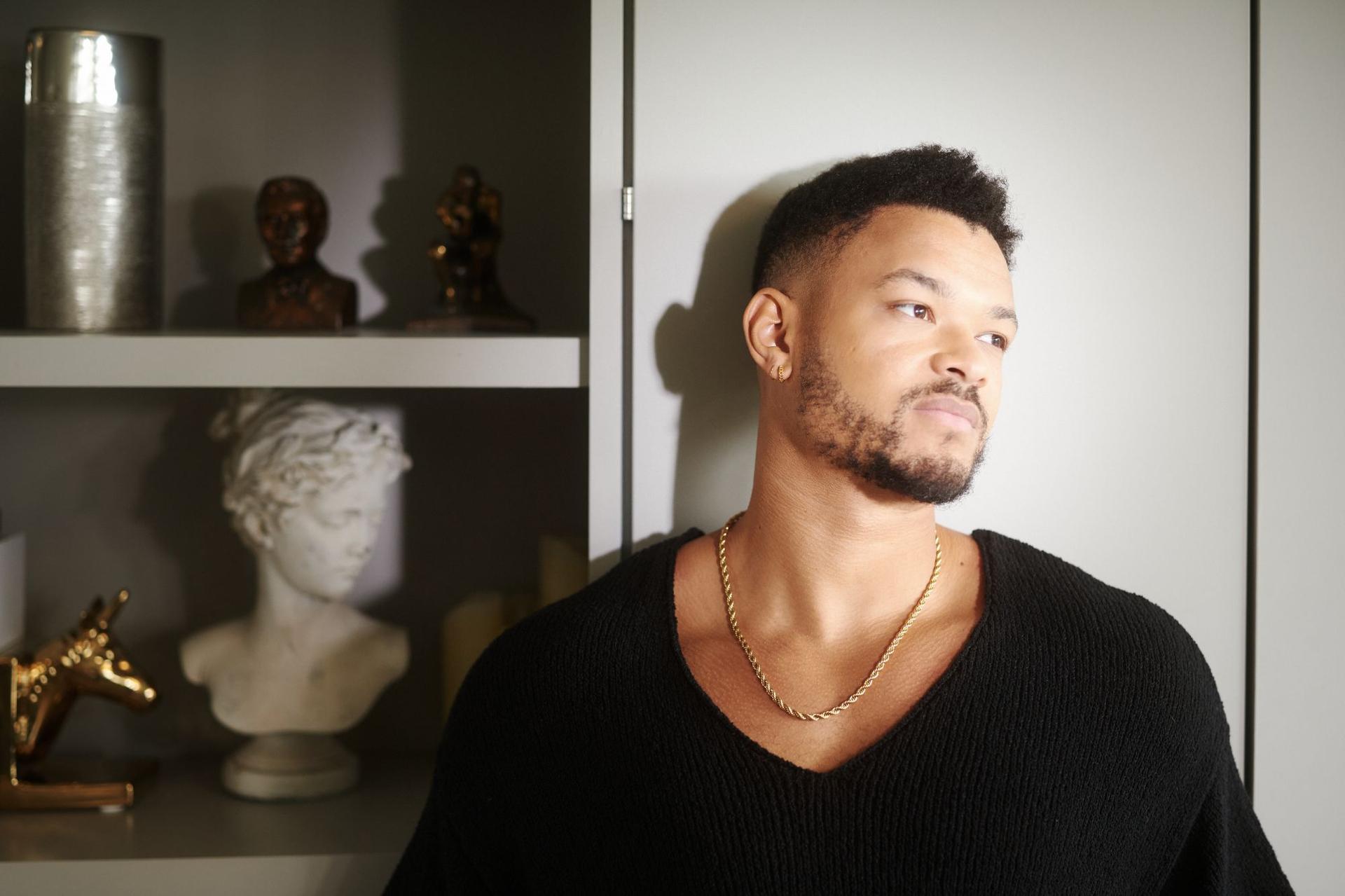
Until now, it's been tough to work out how many people actually listen to a podcast, says The Observer. But a new, more accurate ranking system for the UK solves that problem. Top of the list, as it is in the US, is The Joe Rogan Experience. That's followed by The Diary of a CEO, hosted by Dragons' Den star Steven Bartlett (pictured), and Off Menu, in which comedians Ed Gamble and James Acaster ask guests to choose their favourite restaurant dishes. Others in the top 25 include No Such Thing as a Fish, by the makers of QI; The Infinite Monkey Cage, with Professor Brian Cox; and the BBC's Desert Island Discs. See the full list here. |
|
|
Matthew Goodwin says the "Zoomers" born in 2004 have had a terrible time. In their youth my parents went through the great depression of the 1930s, the bombs, death and rationing of the war and freezing winters in unheated homes – but they lived happy and fulfilled lives well into their eighties. Surely they show that adversity can be overcome. |
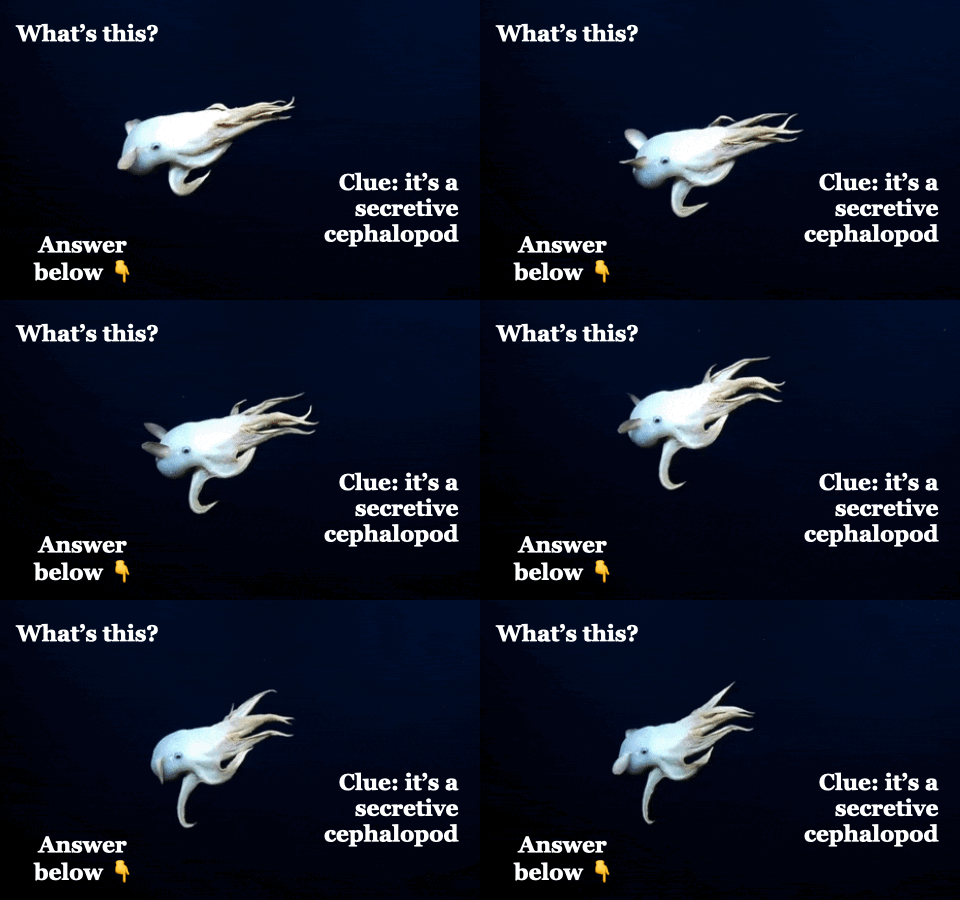
It's a rare "Dumbo" octopus, which lives at depths of up to 7,000 metres and is known for its ear-like fins, rather like those belonging to the 1940s Disney cartoon character. The unusual mollusc was spotted in a broadcast on the EVNautilus live stream, which is being beamed from a remotely operated submarine exploring the Papahānaumokuākea Marine National Monument in the Pacific Ocean. |
| |
"Never touch your idols: the gilding will stick to your fingers." Gustave Flaubert |
|
|
Been forwarded this newsletter? Sign up for free to receive it every day |
|
|
https://link.newsletters.theknowledge.com/oc/60897464f90441077868de3cjjo8h.8kt/a719dd4c&list=mymail |
|
|
|





No comments:
Post a Comment