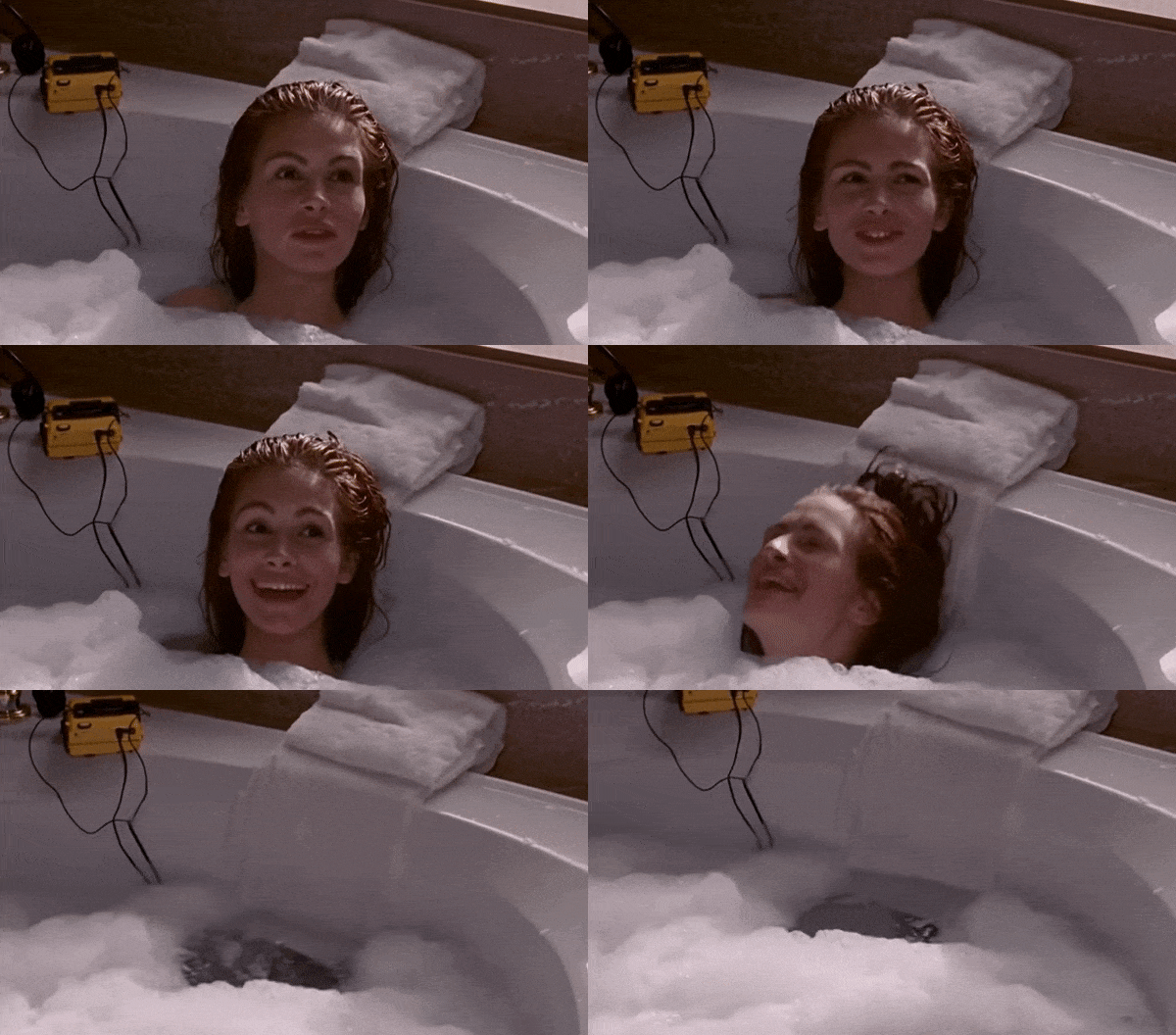
Julia Roberts enjoying a soak in Pretty Woman (1990) |
Oh dear, says Laura Barton in The Guardian. The cost of taking just three baths a week is apparently set to rise above £1,000 a year. It's still not enough to put me off. The bathtub is a "place of sweet contemplation", where thoughts shape themselves differently to those beneath a showerhead: "slower, gentler, deeper in their navigation". In this godless age, my bath is a "kind of domestic church" – a place for quiet meditation, "for eureka moments and revelations". There's no time I'm happier than lying "clavicle-deep in Epsom salts and London water, shrivelling softly in steam and soap". |
Bathing has a rich history in Western culture. In Homer's Odyssey, it's a homecoming, "a cleansing after the battlefield". His hero is bathed and anointed with oils, his hair "curling down like hyacinths". In the 17th century, Rembrandt depicted Bathsheba at Her Bath, clutching a letter from King David; two centuries later, Edgar Degas painted a series of portraits capturing the "intimate process" of women washing. In cinema, a bath lets us "see our favourite film stars undressed", from Elizabeth Taylor soaking in Cleopatra, to Julia Roberts lying among the bubbles singing Prince's Kiss in Pretty Woman. Why should we now forsake this delight? As the 14th-century historian Ibn Khaldun put it: when someone indulges in a good soak, "the heat of the air enters their spirits and makes them hot, and they are found to experience joy". |
|
|
A better way to understand the past |
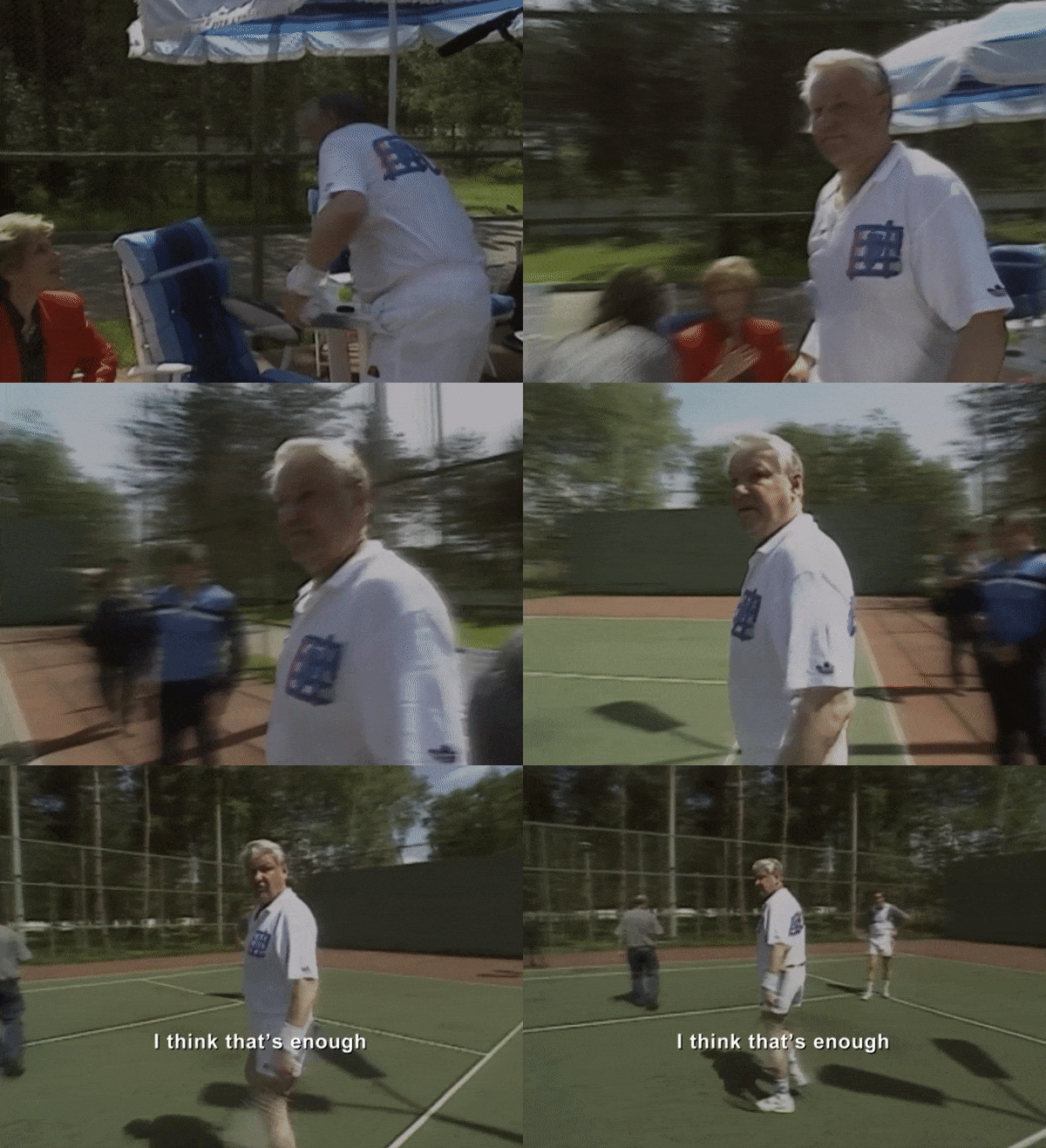
"History is topiary," says Matthew Parris in The Spectator. Like a gardener who trims a hedge into the shape of a swan, a historian strips away redundant information to "make themselves a story". Yet through this approach, "something true is lost". I recently watched Adam Curtis's "genius" documentary series, TraumaZone, a seven-episode collage of BBC clips filmed in the collapsing Soviet Union, and later Russia, from 1985 to 1999. There's "no commentary at all". One minute you see two old women walking with suitcases through the snow; the next, "bewildered monkeys in an abandoned zoo"; the next, Boris Yeltsin in his Crimean villa (above). It adds up to a "curiously heart-breaking" kaleidoscope of bits and pieces – and because it doesn't fit into a neat argument, we better understand how things felt at the time. Through the very process "of simply watching without trying to make sense of it", we start to make sense of it. |
💻😳 I had an "absolute disaster" when I watched TraumaZone on my laptop on the train, says historian Dominic Sandbrook on Twitter. At one point, the documentary "abruptly cut" to a scene of ordinary Russians earning some extra cash by "making homemade pornography". The train was "absolutely packed", and I was sitting next to a young woman who couldn't help but see it, so I desperately tried to fast-forward. But at that point the Wi-Fi seemed to give out, and the picture froze "at the most incriminating possible moment". Shutting the laptop and stuffing it back in my bag seemed to take "an eternity". |
|
|
Enjoying The Knowledge? Click below to share |
|
|
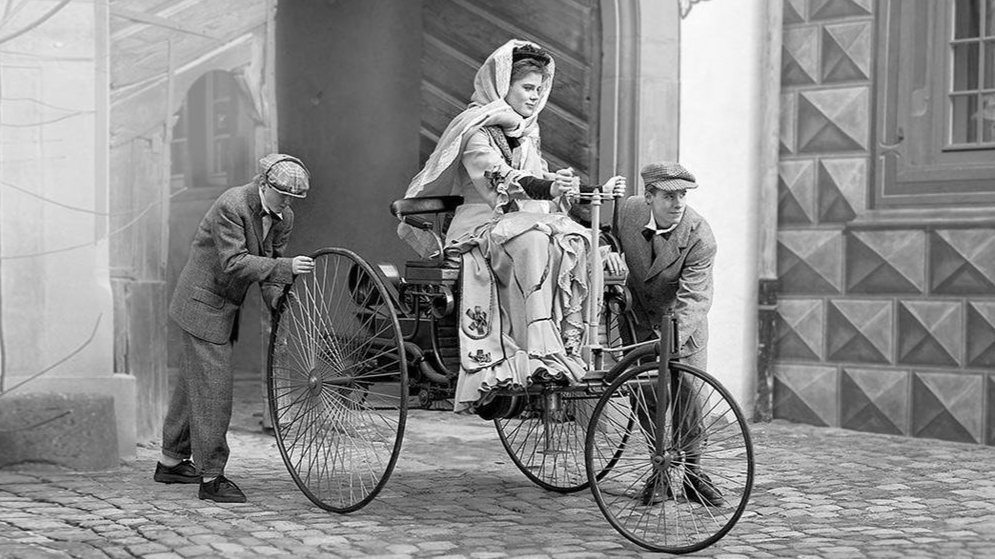
Bertha Benz driving the Benz Patent-Motorwagen |
The world's first road trip |
On Sunday 5 August 1888, says Bryan Appleyard in Engelsberg Ideas, Bertha Benz "cracked". Her husband Karl, today remembered as the inventor of the automobile, had a "perfectly workable" prototype of his new Benz Patent-Motorwagen. But rather than getting out and selling it, he kept tinkering around in his Mannheim workshop, trying to make it better. What was needed, Bertha decided, was a "big gesture". So she got her two young sons up at the crack of dawn, and took them out in her husband's car on the "world's first road trip". |
When Karl woke up and found out, "he was horrified". The journey was "both illegal and blasphemous": the Vatican had declared the automobile "a devil's or witch's carriage", telling people not even to look at one, and the local authority had banned them from public roads. But Bertha's trip – to her mother's house 66 miles away – was a triumph. She effectively invented the petrol station, stopping at an apothecary to fill up with a form of gasoline normally used for cleaning, as well as the brake-pad, attaching leather soles to the rapidly eroding wooden blocks. And as she predicted, the trip opened people's eyes to the awesome potential of her husband's creation. "Before me," Bertha later remarked, "no automobile existed." She was right. |
We should all read more bonkbusters |
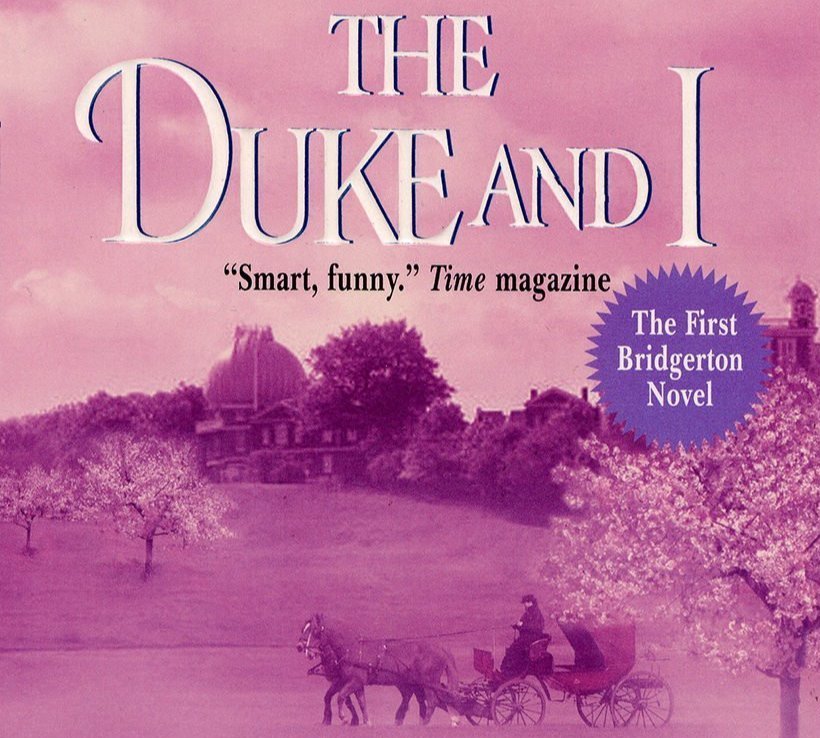
Browsing Hudson News before a flight at New York's LaGuardia Airport, says Katie Fustich in LitHub, I spotted Julia Quinn's The Duke and I, the inspiration for the Netflix series Bridgerton. "No," I thought, "I can't." Surely I'm above reading that sort of tripe? But when my boarding call rang out, I panicked and took the plunge – blushing furiously as I practically threw my money at the shop assistant. |
By the end of the flight, I felt I had learnt a great "bookish secret". Forget trying to be intellectual, desperately "ingesting, without question, what dead male academics deem important to the literary canon". Instead, read romance. You'll get pages and pages of "crystalline character studies, incisive dialogue, thought-provoking social commentary, and yes – lots of very good sex". In one survey, the majority of romance readers admitted to hiding their books. It is, after all, the only literary genre considered anti-intellectual. But who cares what anyone else thinks when you're having so much "damn fun"? |
Britain is betting big on science |
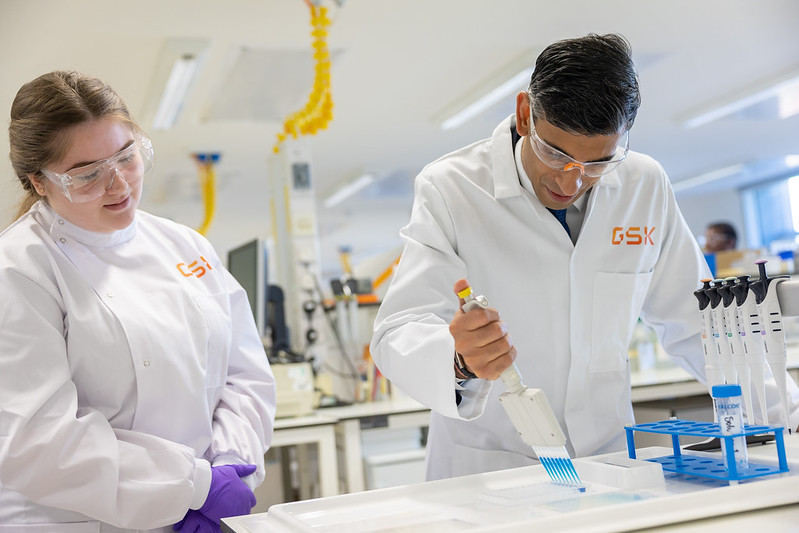
There were plenty of snarky comments after the first ever British satellite launch failed this week, says Paul Waugh in the I newspaper. Critics called it the "perfect metaphor" for the UK's decline. But they're dead wrong: British science is in fact being transformed by Rishi Sunak's "record" spending. This week, the "ebullient" Science Minister George Freeman fleshed out plans to invest £20bn a year into research and development by 2025. He stressed that by loosening regulations – a move made possible by Brexit – the government will turn the UK into a "test bed" for overseas firms to trial new tech. And he confirmed an expansion of the new UK Advanced Research and Invention Agency, which focuses on "high-risk, high-reward" projects. |
This is one area where the government has "put its money where its mouth is". The Tories have already surpassed their 2019 commitment to spend 2.4% of GDP on research and development, achieving closer to 3%. Billions of pounds are being pumped into nuclear fusion and agri-tech: ways to build sustainable growth beyond the "boom-and-bust" cycle brought about by our over-dependence on financial services. And "regional clusters of experience" – marine technology on the south coast, semiconductors in Wales, hydrogen in the North East – mean levelling up could finally become a reality. It seems Sunak has realised "the party that owns the future owns a general election". |
|
|
THE APARTMENT This open-plan warehouse flat is in the former Wells and Company Iron Works building on Shoreditch High Street, east London. It has two bedrooms, a mezzanine level and a large arched window looking out across a tree-lined churchyard. The Overground station is a seven-minute walk, with trains to Highbury & Islington and Dalston in one direction, and Clapham Junction in the other. £2m. |
|
|
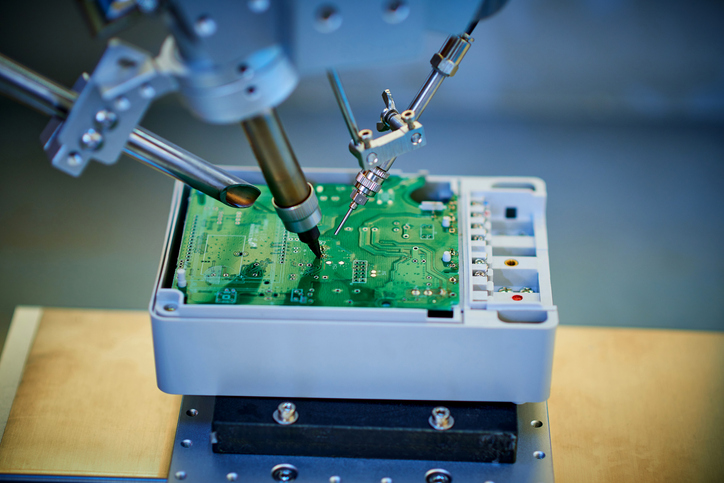
A robot installing semiconductors. Getty |
Everyone knows microchip-making is one of the world's most important industries. Less well known, says The Irish Times, is that the whole thing relies on a single Dutch manufacturer: ASML. It's the only firm in the world that can build machines capable of making the microscopic transistors that go in the best chips. The iPhone Pro's A16 processor, for example, contains 16 billion transistors, each one 15,000 times thinner than a human hair. The relatively little-known company is one of the 30 biggest in the world, with a market value north of £200bn. |
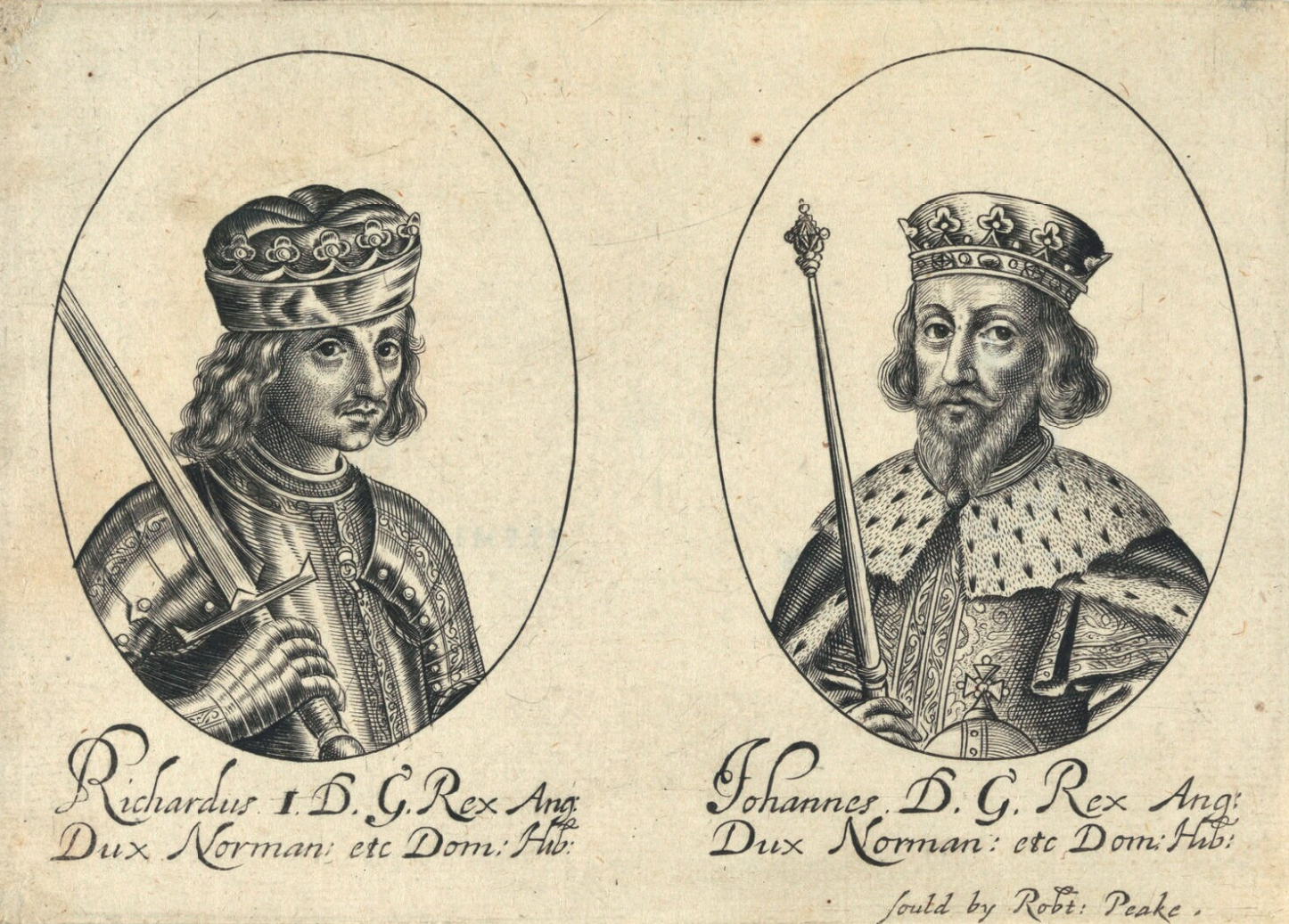
Richard I (left) and John. National Portrait Gallery |
Warring siblings are a "timeless problem for monarchies", says Ed West in Wrong Side of History. Back in the 11th century, the three sons of William the Conqueror were locked in a feud that began when the younger two "poured a bucket of urine over eldest brother Robert". A century and a half later, Richard I had to fend off a rebellion led by his "deeply unlovable" sibling John. The two eventually reconciled, with Richard telling him: "Think no more of it, brother: you are but a child who has had evil counsellors." (John was 27.) The present royal spat, however, has more in common with the fallings-out of the Tudors. Just as Henry VIII's children "stood for opposing sides in the great conflict of the time" – Edward VI and Elizabeth as Protestants, Mary as a Catholic – the current royal tragedy is all about "new reformation ideas": racial diversity, the empowerment of women and personal fulfilment. |
|
|
"I shall be an autocrat: that's my trade. And the good Lord will forgive me: that's his."
Catherine the Great |
|
|
Been forwarded this newsletter? Sign up for free to receive it every day |
|
|
https://link.newsletters.theknowledge.com/oc/60897464f90441077868de3ci0987.9cr/832cba27&list=mymail |
|
|
|





No comments:
Post a Comment