How we lost "the most peaceful era in history" |
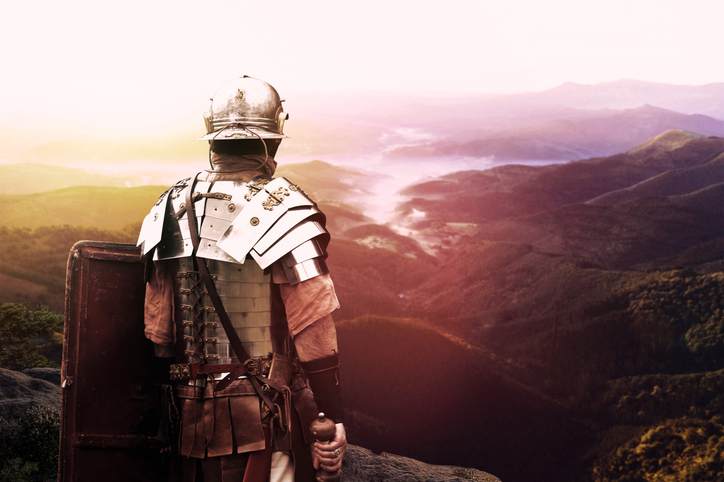
When Vladimir Putin sent his troops into Ukraine, says Yuval Noah Harari in The Atlantic, he ended "the most peaceful era in human history". Until the late 20th century, the word "peace" meant merely "the temporary absence of war" – conflict was always just round the corner. Military spending dominated the budget of "every empire, sultanate, kingdom and republic": for the Romans, it accounted for up to 75% of the total; for the British Empire, it never fell below 55%. But in the long peace that began after the Second World War, governments have been able to stop splurging on weapons. In recent years, they have devoted an average of just 6.5% of spending to defence. That has enabled them to invest far more in things that make life better, such as healthcare, welfare and education. |
This "new peace" was driven in part by the advent of nuclear weapons, and in part by the economic shift towards "knowledge". (You can seize a vanquished rival's silver mine; you can't seize a Google engineer's brain.) But it was also the result of a "cultural and institutional" change: the development, in effect, of a liberal global order based on the understanding that "all humans deserve the same basic liberties", and that working together is better than trying to get ahead alone. The benefits are obvious – which decade in history was humankind "in better shape than in the 2010s"? |
Alas, too many people took it for granted. Trump, Brexiteers and other populists set about tearing down the system, in the naive belief that "patriotic loyalties contradict global co-operation". They assumed the world would just become "a network of walled-but-friendly fortresses". But, as Putin has shown, fortresses can sometimes be unfriendly. If autocrats learn that "wars of conquest are again possible", democracies will have to militarise themselves again. And given the weapons we have now, a new era of war "might be worse than anything we have seen before". |
|
|
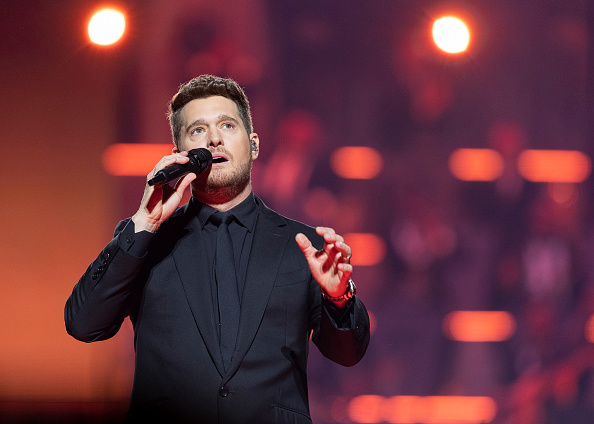
Hero Michael Bublé, according to Rishi Sunak, who has been playing the crooner's Christmas (Deluxe) album to get into the holiday mood. Despite being a devout Hindu, the PM is "fanatical about Christmas", says Katy Balls in The Spectator: he has imported boxes of "peppermint bark" – seasonal sheets of mint chocolate – from the US, and "is even overseeing his staff carol concert". |
Villains Britain's top spies, who are not being secretive enough. MPs have raised concerns about all the newspaper and TV interviews conducted by the bosses of MI5 and GCHQ, and the prolific tweets from the head of MI6, Richard Moore. According to a new parliamentary report, the attention risks "trivialising" important intelligence work. |
Villain An excessively thrifty Florida shopper, who filmed herself cutting the stalks off heads of broccoli before weighing them at the supermarket. "I'm only going to pay for what I'm going to eat," Mimi Carter told followers on TikTok. She isn't the first American to have hit the headlines because of broccoli: in 1990, George HW Bush declared he had hated the vegetable since childhood. "I'm president of the United States," he said, "and I'm not going to eat any more broccoli." |
Heroes Car4ukraine, a team of volunteers helping the Ukrainian war effort by revamping and donating battered British farm pick-up trucks. About 100 disused vehicles from the UK have been shipped to the country and kitted out for military use. Because they're right-hand drive, unlike European cars, they bamboozle Russian snipers, who shoot at the passenger seats by mistake. |
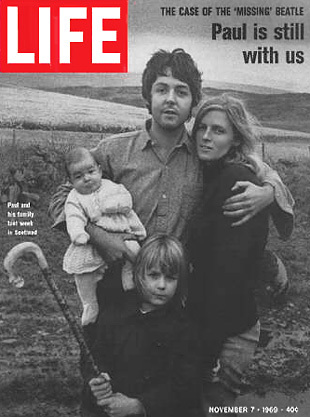
On 1 November 1969, Paul McCartney spotted two reporters at his secluded farm in Scotland, says LitHub. They had been sent there by Life magazine to disprove a long-running rumour that the reclusive Beatle had died in a car accident. Enraged, McCartney threw a bucket of "kitchen slop" over the pair – an act they gleefully caught on camera. As they made their escape, the musician realised these pictures wouldn't show him in his best light: "Unshaven. Unkempt. Angry. Hungover. Maybe even a bit unhinged." So he drove after them, apologised, and suggested a deal: a brief interview and some new, slop-free photos, in exchange for them handing over their negatives. They quickly agreed – and the myth of McCartney's death was debunked. |
|
|
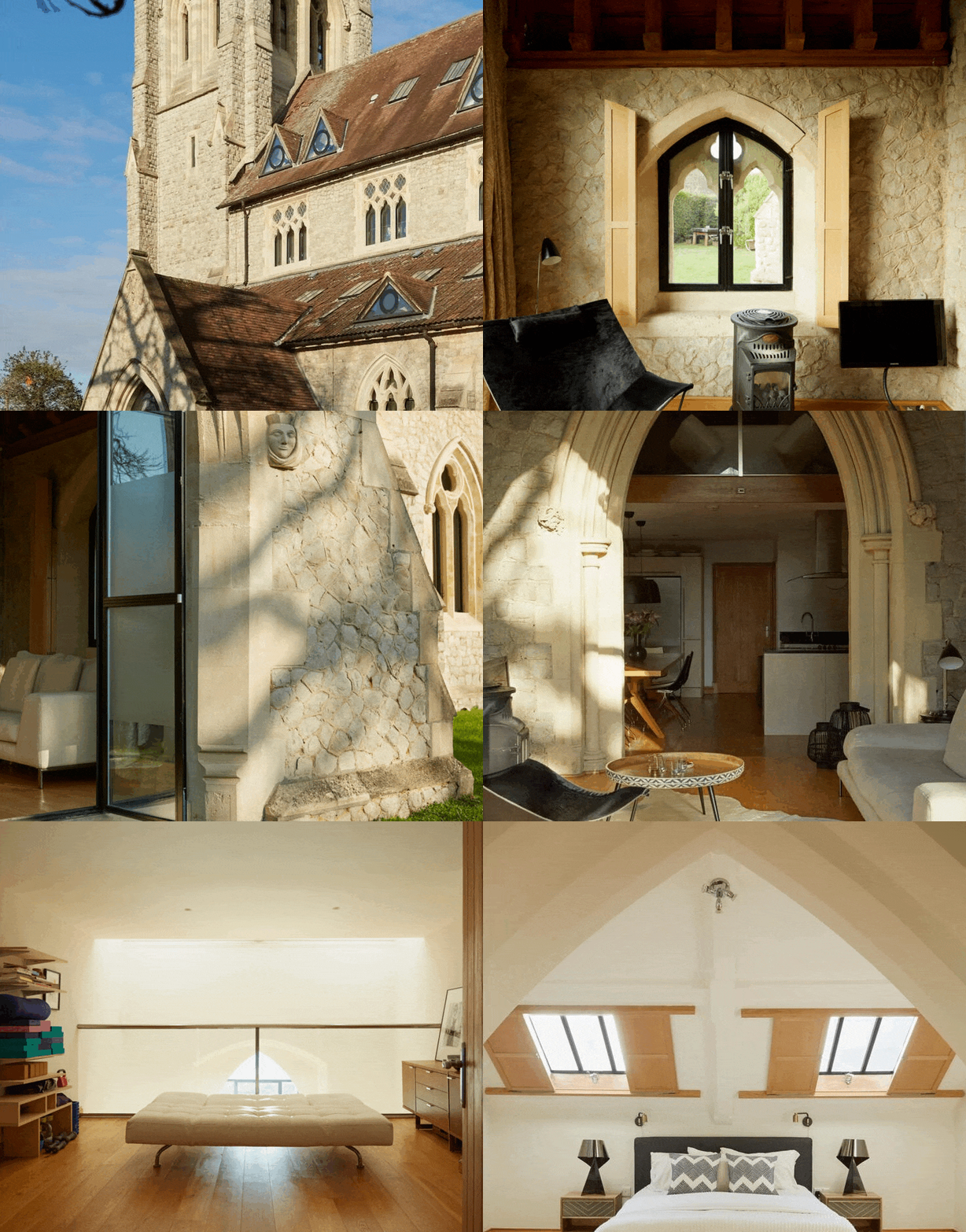
THE APARTMENT This one-bedroom flat in Forest Hill, southeast London is in a converted church originally built by Ewan Christian, who later designed the National Portrait Gallery. The open-plan living spaces are filled with light, and a mezzanine level that can be used for guest accommodation. The neighbourhood is full of bars and restaurants, and Forest Hill Overground station is a 10-minute walk. £595,000. |
|
|
Enjoying The Knowledge? Click below to share |
|
|
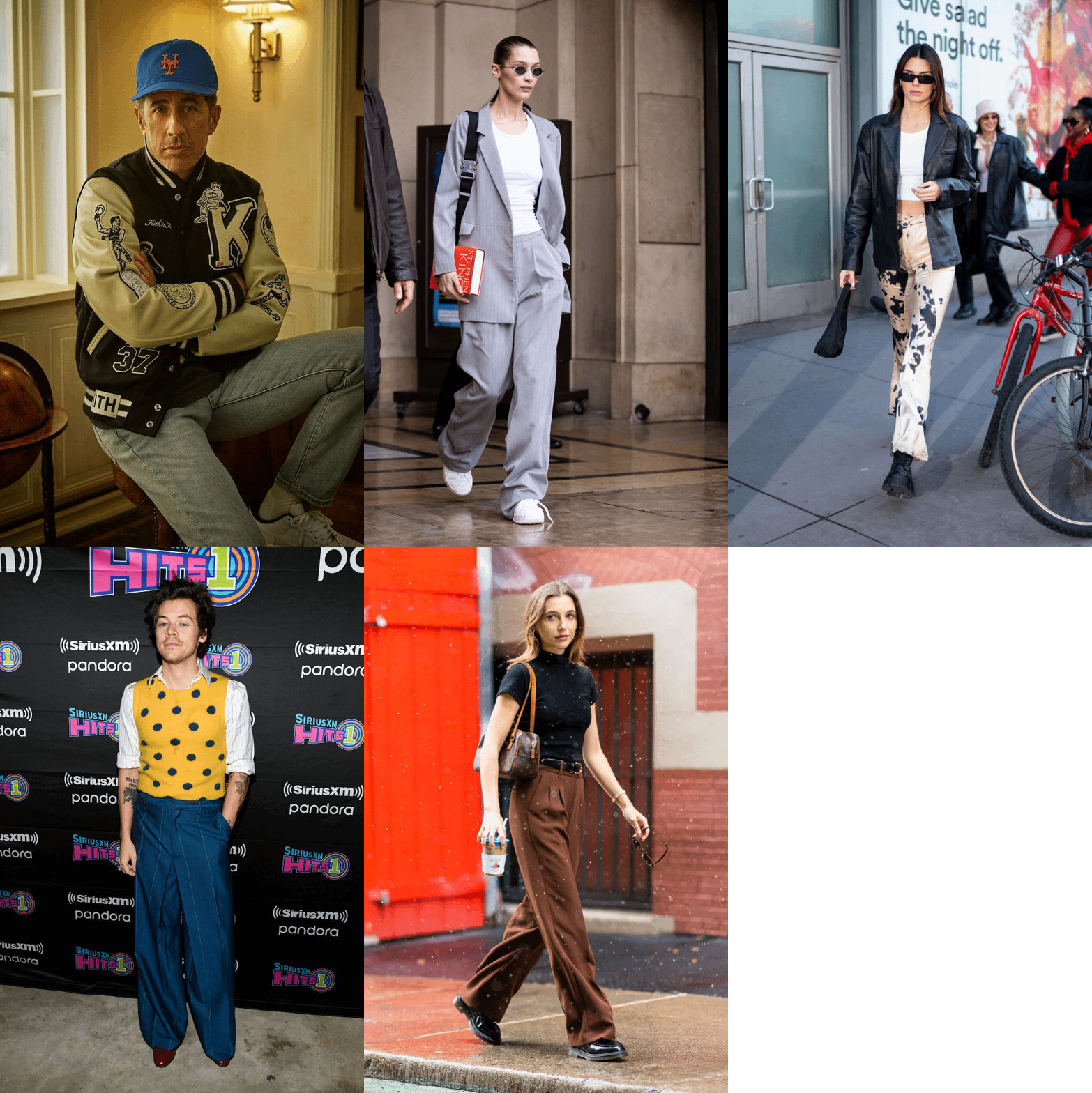
"Everyone is dressing like a dad now," says Mia Mercado in The Cut. Models and influencers like Bella Hadid and Emma Chamberlain have become dad-fashion icons. Harry Styles's wide-leg trousers and Kendall Jenner's leather jacket look like "items you told your dad to get rid of years ago". Hot girls are wearing "cargo pants and socks with sandals". At its core, the "dad vibe" is all about "comfort, function, and nonchalance". |
Historically, "father" and "fashion" have been antithetical to each other. "If I were to ask my dad what his 'aesthetic' is, he would probably ask if that has anything to do with astrology. (Typical Gemini.)" And yet the current trend for loafers, comfy jeans and puffer jackets is "all but indistinguishable" from his daily uniform. I think we should embrace dad fashion. "There is no hint of irony, no wink to the camera." Just a nice pair of chinos, some New Balance trainers, and "the newfound desire to talk about a boat you saw once". |
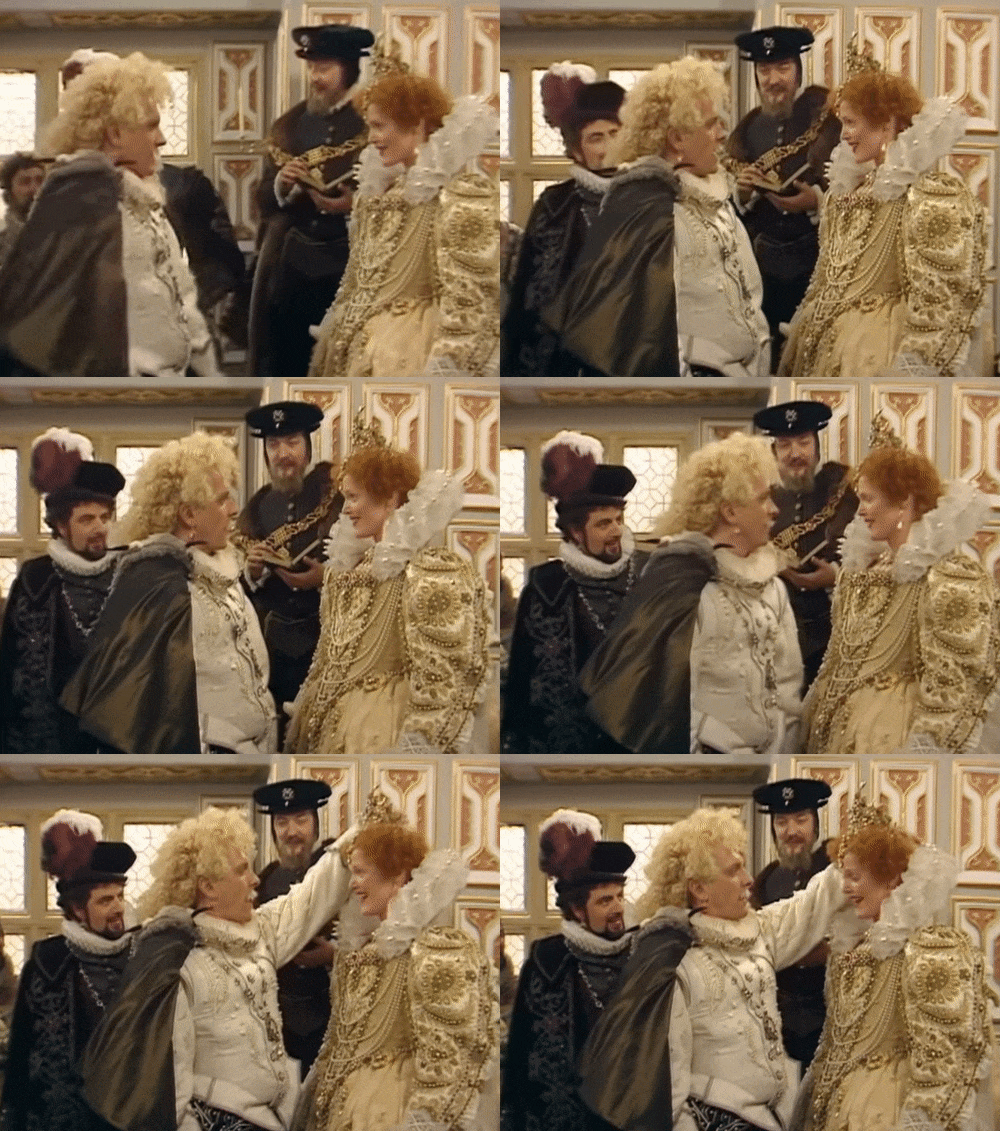
A scene from Blackadder II: almost as strange as the reality |
The weird world of Tudor England |
When Europeans came to visit Tudor England, says Stephen Greenblatt in The New York Review of Books, they found the place utterly baffling. In London, the big entertainment was animal fights: large crowds would pay to see packs of fierce dogs attack bulls or bears tied to stakes. "This sport," remarked one visitor, "is not very pleasant to watch." Thanks to the Reformation, Mass was celebrated "not in the time-honoured Latin but in plain English". Even a dinner invitation could cause confusion. "It is almost impossible to believe," wrote an Italian merchant in his journal, "that they could eat so much meat." What's more, the English wash it down with "a drink from barley and the seeds of hops which they call beer". It's healthy, he said, but "sickening to taste". |
In 1597, the French ambassador André Hurault was ushered into the Privy Chamber to find Queen Elizabeth I "strangely attired" in what looked like a dress of gauze. "She kept the front of her dress open," he wrote in his diary, "and one could see the whole of her bosom." The following week she received him again, this time in a black taffeta gown similarly slit down the front. "She has a trick of putting both hands on her gown and opening it," the stunned ambassador noted, "insomuch that all her belly can be seen." This was no wardrobe malfunction, of course – it was a deliberate gambit to give the queen the upper hand. "Her interlocutors, thrown off-balance, felt they were entering into an unsettling, fantastical world." |
|
|
"Give me chastity and self-restraint, but not yet."
St Augustine of Hippo |
|
|
Been forwarded this newsletter? Sign up for free to receive it every day |
|
|
https://link.newsletters.theknowledge.com/oc/60897464f90441077868de3chv3b9.a4j/0093d09f&list=mymail |
|
|
|





No comments:
Post a Comment