"By far and away the best day we have" |
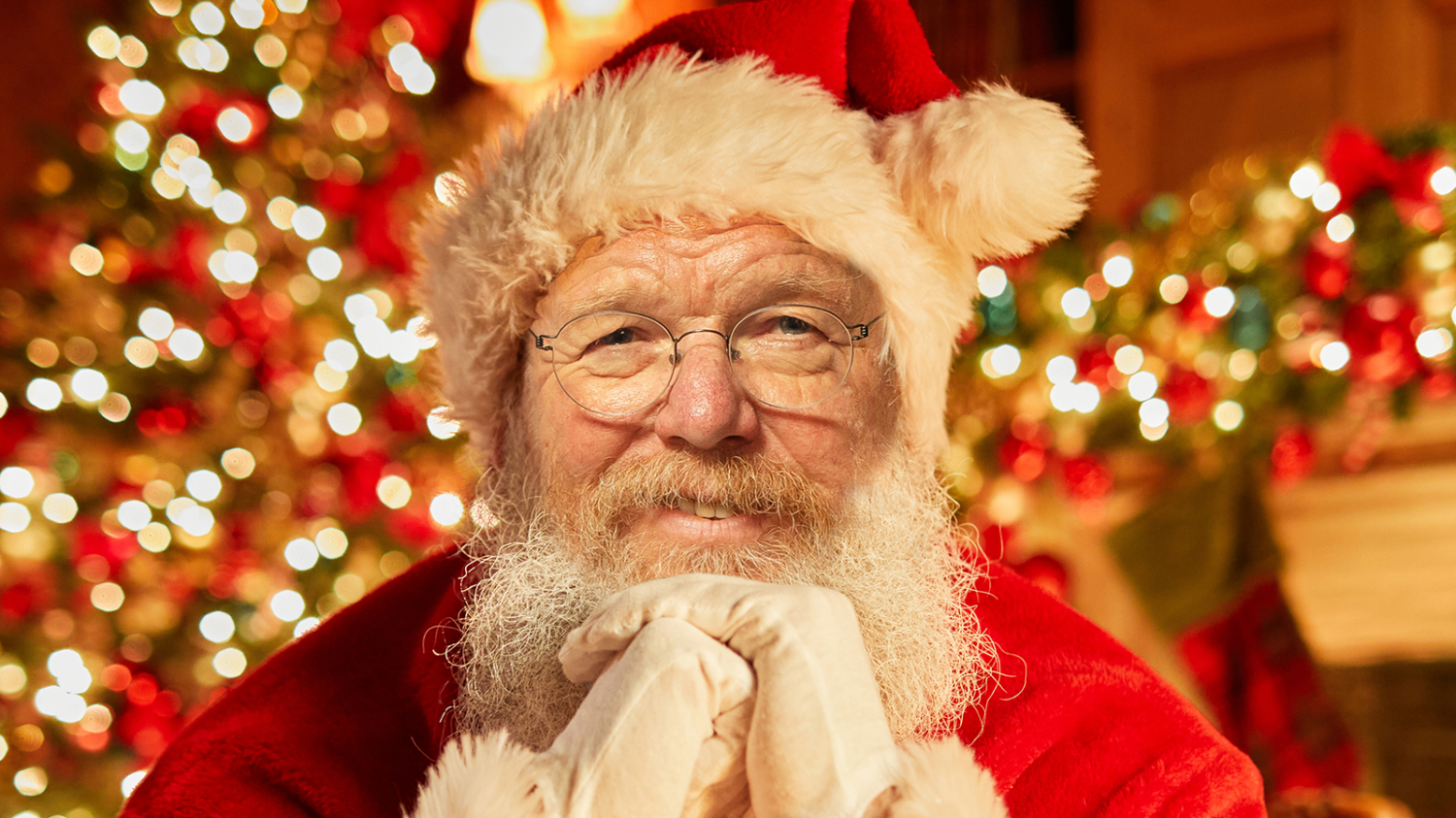
Growing up in America, Christmases in our house were always very "lively", says Bill Bryson in his new audiobook The Secret History of Christmas. This was because whenever my father put up the Christmas tree lights, "there would be a terrific bang, a searing flash of light", and he would be thrown "backward, at speed, on a more or less horizontal trajectory". This, of course, was back when the lights had "bulbs the size of acorns" and the wires "positively crackled with energy". Sometimes, if we were lucky, his body would "light up like a medical X-ray". After all that, Christmas Day was "something of an anticlimax". Americans don't take it that seriously anyway – we're generally still full from Thanksgiving. Plus, where I lived there was "always about six feet of snow outside", so if you got a bicycle or roller skates all you could do was "ride around in tiny circles in the living room". |
But then I moved to England, and "discovered an entirely different kind of Christmas". I had never heard of Boxing Day, or pulled a cracker, or watched "grown people scramble with something approaching violence" to claim the contents of said cracker. I learned that mince pies, bafflingly, contained no meat; that there was a magazine called Radio Times which "wasn't about radio at all"; and that the only person who got to be comfortable was my father-in-law, who had an armchair "about the size of a Morris Minor". Oh, and I discovered that everything – the whole country – completely shut down, meaning "one zillion children were stuck with presents they couldn't play with because Mummy and Daddy had failed to buy batteries". And, of course, I grew to love every bit of it. Christmas Day is "by far and away the best day we have" – and "not just because now I get the comfy chair". |
|
|
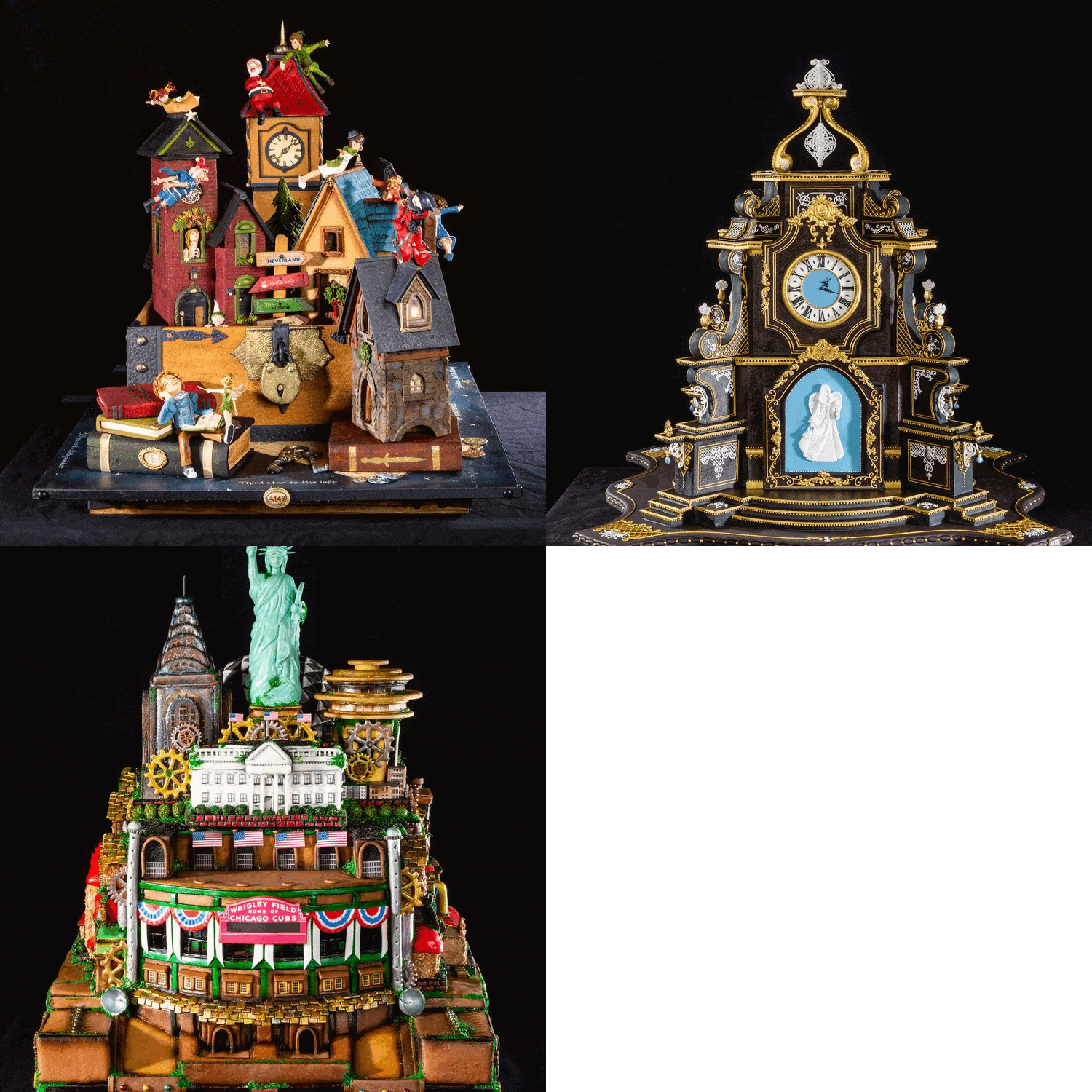
In a competition to identify America's best gingerbread house, says Food & Wine magazine, the top prize went to a scene showing Santa visiting Peter Pan and Tinker Bell. Other winners included an ornately decorated edible clock, and a patriotic effort featuring political landmarks including the White House and the Statue of Liberty. "All entries had to be 100% edible, and composed of at least 75% gingerbread." |
|
|
Five shows you might have missed this year |
The Bear (Disney+)
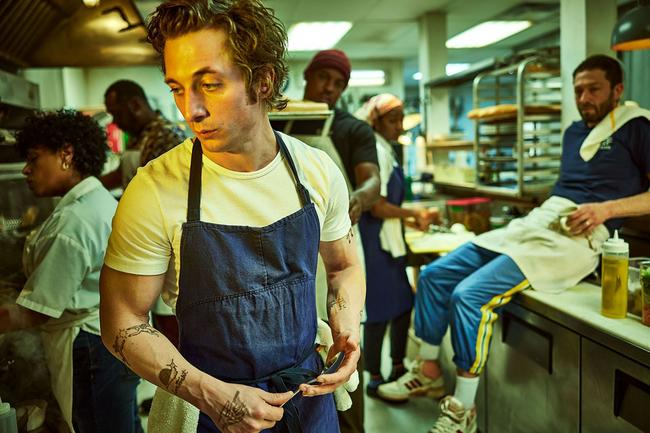
A big hit in the US, The Bear follows a gifted chef (Jeremy Allen White, pictured) who takes over the Chicago sandwich shop owned by his late brother. It's a briskly paced drama – "hallelujah for episodes that run for 30 minutes or less!" – and pulsates with a "life-or-death energy", says Jen Chaney in Vulture. |
Navalny (available to rent on multiple platforms)
This 90-minute documentary about the Russian dissident contains "by some distance the most jaw-dropping TV moment of the year", says The Guardian. Alexei Navalny, working alongside a crack team of investigative journalists, phones up the people who poisoned him with Novichok – then asks them one by one why they tried to kill him. "Unforgettable." |
The Thief, His Wife and the Canoe (ITV)
A mini-series about a story "almost too absurd to be true", says The Daily Telegraph. Prison officer John Darwin fakes his own death in a canoe accident for the insurance payout, then moves into the empty flat next door to his family. Eddie Marsan takes the lead role, with Monica Dolan as his co-conspirator wife who acts the grieving widow to police. |
The Dropout (Disney+)
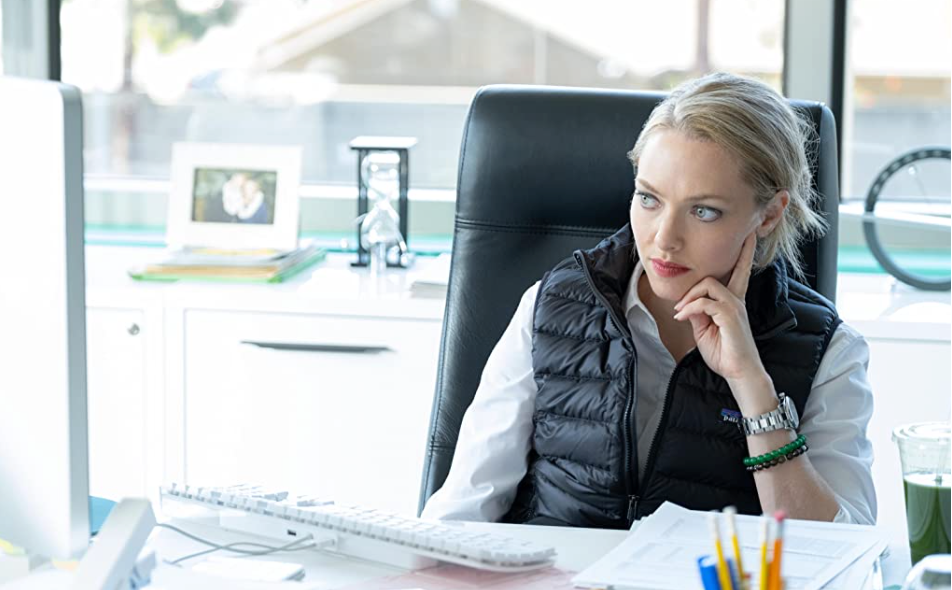
A drama charting the spectacular rise and fall of Elizabeth Holmes, the Silicon Valley fraudster who built a $9bn medical company based on non-existent technology, then ended up in prison when her lies were found out. Amanda Seyfried (pictured) is so impressive in the title role that fellow actress Jennifer Lawrence dropped out of playing Holmes in a planned movie. "We don't need to redo that," she told The New York Times. "She did it." |
Slow Horses (Apple TV)
This spy thriller is "the best reason there is for remembering whether you have an Apple TV password or not", says Hugo Rifkind in The Times. Gary Oldman plays a misanthropic boss overseeing Slough House, an offshoot of MI5 where they dump all the spooks who are "too complicated or expensive to sack". The novels the series is based on, by Mick Herron, are well worth reading too. |
|
|
Share The Knowledge with friends and family before the end of the year for a chance to win a £500 John Lewis voucher. |
Each successful referral counts as one entry, so the more you make, the better your chances. Simply share via WhatsApp or email below, or click here to copy and paste your unique referral link. |
|
|
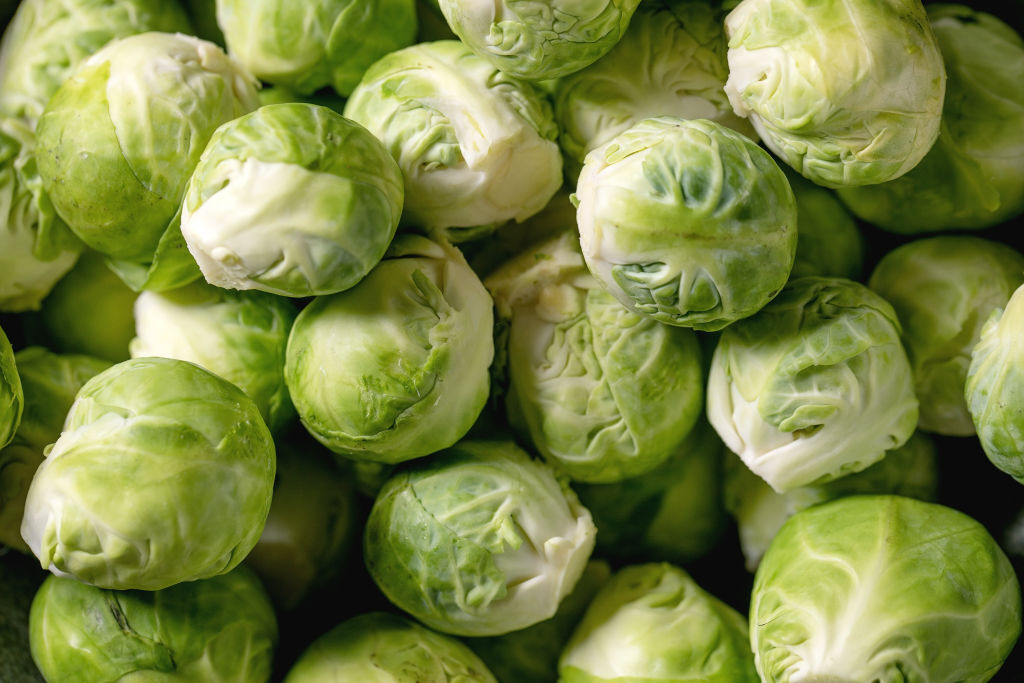
Better than back in the day. Natasha Breen/REDA&CO/Universal Images/Getty |
For anyone wondering why brussels sprouts have a reputation for being disgusting, says Mental Floss, the answer is weirdly simple: they "really did used to taste worse". In the late 1960s, the industry switched over to mechanised harvesting, which required a plant that would "mature fairly evenly over the entire stem", explains farmer Steve Bontadelli. The sprouts that were easiest to harvest with machines were "horribly bitter", he says, "and we turned off an entire generation". It wasn't until the 1990s that a group of Dutch biotechnologists pinpointed the chemical compounds behind the sprout's unsavoury taste, and set out on a years-long mission to breed a new strain that was both easy to pick and "not too bitter". Their success helped catapult the once-maligned vegetable to its present "culinary stardom". |
Scotland used to barely celebrate Christmas at all, says Allan Massie in The Oldie. When I was a child in the 1940s, Christmas Day wasn't a public holiday; people went to work in factories and shipyards, and banks were open until midday. "It goes back to the Reformation," when Scotland broke with Catholic doctrine much more comprehensively than England did. Anything that "smacked of Papist idolatry" was banned – Christmas celebrations included. This hardline stance had softened by the 20th century, but Hogmanay – New Year's Eve – was still the "great winter festival". What finally won Scots over were the Christmas-themed television programmes broadcast across the whole of Britain. |
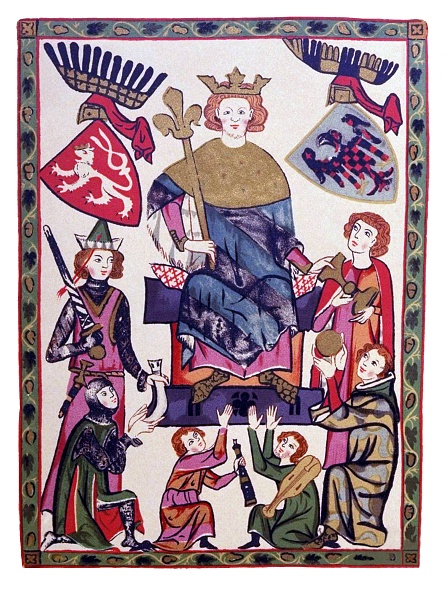
An illustration of Wenceslas from a medieval songbook. Pictures From History/Universal Images/Getty |
You may think of Jingle Bells as the quintessential Christmas tune, says The Sydney Morning Herald, but it was originally written as a Thanksgiving song entitled The One Horse Open Sleigh. At some point Americans started singing it at Christmas too, "and that tradition caught on, to put it mildly". As for Good King Wenceslas, he wasn't the "grey-bearded oldster" we assume – "the real Wenceslas died unexpectedly in his twenties when his brother murdered him with a lance". Which isn't very festive at all. |
|
|
"Don't discuss yourself, for you are bound to lose. If you belittle yourself, you are believed. If you praise yourself, you are disbelieved."
Michel de Montaigne |
|
|
Been forwarded this newsletter? Sign up for free to receive it every day |
|
|
https://link.newsletters.theknowledge.com/oc/60897464f90441077868de3chweq2.k5n/73fa6d2a&list=mymail |
|
|
|




No comments:
Post a Comment