
 15 August, 2021 Hello, In the Times Literary Supplement, Ferdinand Mount writes about a new book by Adrian Wooldridge, political editor of The Economist, on the history of meritocracy (see below). Wooldridge, as you might imagine, is a big fan and insists "the best way forward lies in the meritocratic idea". Mount is more sceptical. So am I. The danger of meritocracies, as history suggests, is that a) they usually end up favouring a small, self-selecting elite and b) they can be unforgiving. They leave society's losers with no excuse for failure. If you fail in a meritocracy, after all, you have no one to blame but yourself. All good wishes,
Jon Connell Editor-in-chief
Long read shortened  Civil-service exams in China Meritocracy is not always a good thing Adrian Wooldridge's history of meritocracy, The Aristocracy of Talent, describes the repeated efforts in history to base societies on merit alone, "not bloodlines or bank balance". In Ming-dynasty China, the rulers were so determined to ensure a meritocratic society that guards searched candidates before they sat exams (to prevent cheating) and professional scribes copied their scripts "to prevent the examiners recognising anyone's handwriting". Wooldridge concedes that "such frenetically competitive systems" have their downsides, says Ferdinand Mount in the TLS. During the Middle Ages, monarchs and bishops "talent-spotted likely lads from modest backgrounds… and raised them to positions of great power". Becket, Wolsey and Cromwell are prime examples, although the "sticky ends" to which the trio came could be seen as a rather drastic form of "performance review". The problem with meritocracy is that those who come out on top usually end up "feathering their own nests", marking "their own homework" and hardening into "new aristocracies". In the US today, elite colleges such as Harvard and Yale have more students from the top 1% than the bottom 60%. At Harvard, the average parental income is $450,000 a year. And new elites tend to be blind to their own hypocrisy. At Google's annual camp to discuss climate change in 2019, the guests needed 114 private planes and a fleet of superyachts to get them there. Wooldridge admits meritocrats can be "intolerably smug", but he's too forgiving of the likes of Cromwell and Napoleon. "Unless you want a ruthless rat race, equality of opportunity cannot rule on its own without going hand-in-hand with other sorts of equality, of access to justice, to healthcare and education, social arrangements designed to suit us all as we are, not merely as vehicles to speed the fortunate few to their proper destination." Read the full article here. The Aristocracy of Talent by Adrian Wooldridge is out now (Allen Lane £25).

On the money ✍ 🏴 Sir Walter Scott, born 250 years ago this month, was a great writer, says Ray Perman in the FT, but he was careless with his money. His Waverley series of historical novels – he cranked out 19 in just a decade – earned him advances equivalent to £1m today. He built an Edinburgh townhouse and a "fantasy castle" on the River Tweed with the proceeds, and reputedly stocked his cellar with 4,400 bottles of wine and spirits. But all that spending got his businesses into debt, and after a stock-market crash in 1825, he nearly went bankrupt. The lawyer who saved him from that fate, John Gibson, bought Scott's crockery and dining table at "knockdown prices", leading to the writer's considerable embarrassment when Gibson invited him round for dinner. Yet such was Scott's industriousness, his debt was cut in half by the time he died in 1832
Staying young 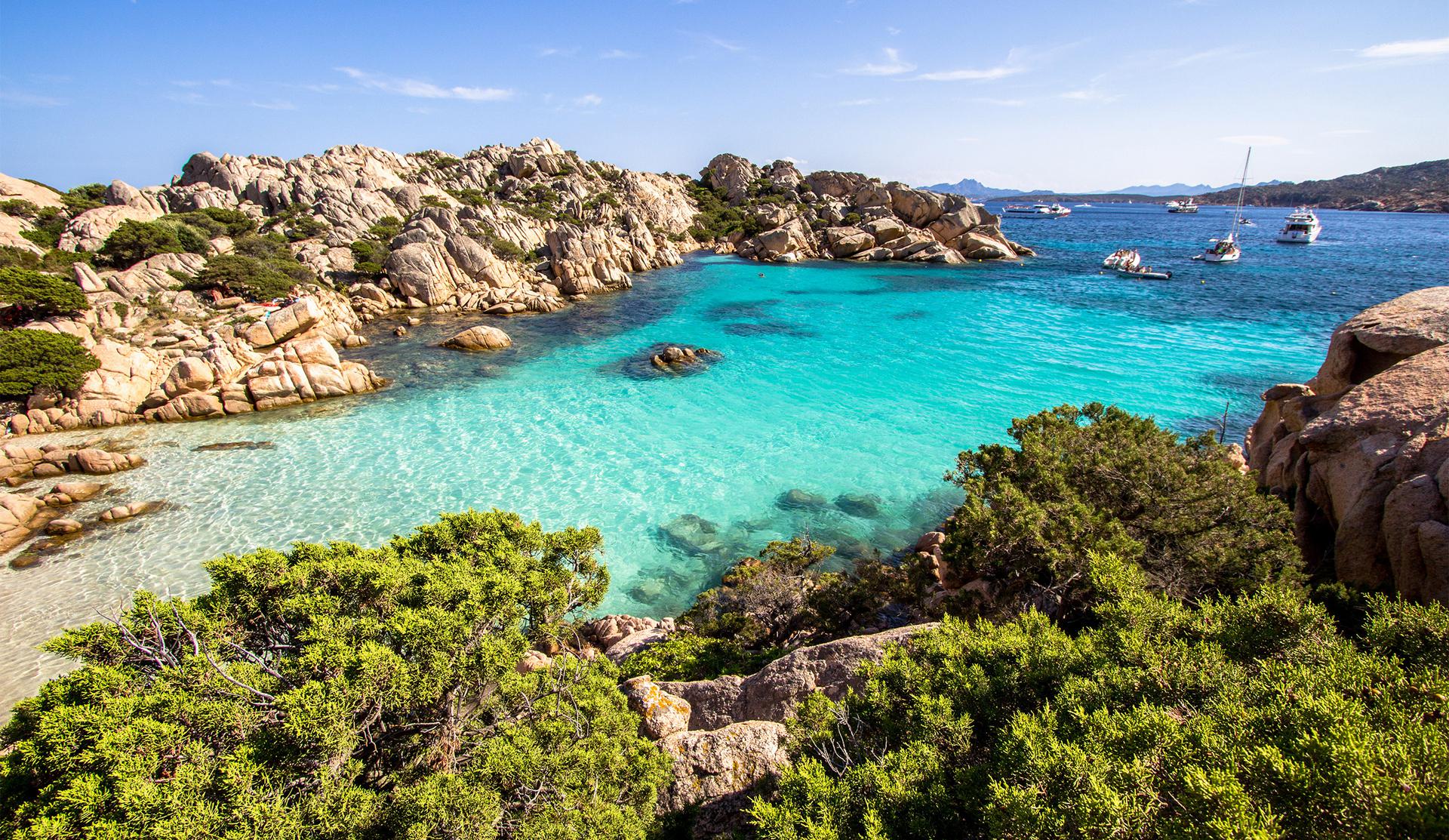 Getty Images Perdasdefogu is famous for its golden oldies, says Angela Giuffrida in The Guardian. The remote Sardinian mountain village with a population of 1,740 has seen five residents turn 100 this year alone. A mural in town celebrates Perdasdefogu's longest-surviving citizen, Consolata Melis, who died in 2015 aged 108. The village also holds the world record for "oldest family": Consolata and her eight brothers and sisters entered the history books in 2012 with a combined age of 818. The "living monuments" put their rude health and "remarkable lucidity" down to clean mountain air, a diet rich in fish and home-grown vegetables, and "reading, walking, and playing cards". Giacomo Mameli, a sprightly 80-year-old, organises an annual literary festival and a plaque on the main road advises: "Reading keeps you alive." Residents stay active by collecting firewood or working on their allotments, while Vittorio Lai, 99, still hunts wild boar. The villagers appreciate that they have something special. A 100th birthday brings out the whole village, and the mayor gives each centenarian a medal. If there's one thing the village needs "to ensure it always has a steady supply of, it's birthday candles".
Love etc  The Rock in Jungle Cruise. Walt Disney Studios/Moviestore/Shutterstock Hollywood doesn't bother with real romance any more, says Alison Willmore in Vulture. It's sad. The sparkle between Bogart and Hepburn in The African Queen was just as chaste as any Disney movie, but involved characters who we felt had blood running through their veins. That was 70 years ago: in theory, we're permitted to show so much more on screen now, but "the reality is that we get even less". Take Dwayne "The Rock" Johnson, a rippling leading man who has racked up billions of dollars playing characters who "give no sign of having sensation below the waist". The ravishing 6ft 5in former WWE wrestler has a fantasy body honed by gruelling 4am workouts and a diet of "enough cod to endanger the species". But his clean-cut characters "rarely if ever seem to take pleasure in this physicality". When he snogs Emily Blunt in his new Disney flick, Jungle Cruise, it's filmed "as though they're dolls whose heads are being smashed together by a child". Depressingly, the model he epitomises – charismatic, impossibly fit and as "unobjectionable as a Ken doll" – is proving best for business on a global scale.
Eating in  A 72-year-old American grandmother has become a TikTok cooking star by sharing her simple family recipes. Barbara Costello, from Connecticut, is like that "funny, approachable, no-nonsense neighbour" who gives you "great advice over the backyard fence", says The Washington Post. Her blueberry muffins use just three ingredients: blueberries, ice cream and self-raising flour. The ice cream is ingenious, as it's "essentially your premade base" of dairy, egg yolks and sugar. Watch Barbara making muffins here.
Book it The Blue Paradox, Exhibition London, 15-27 September, free
Property 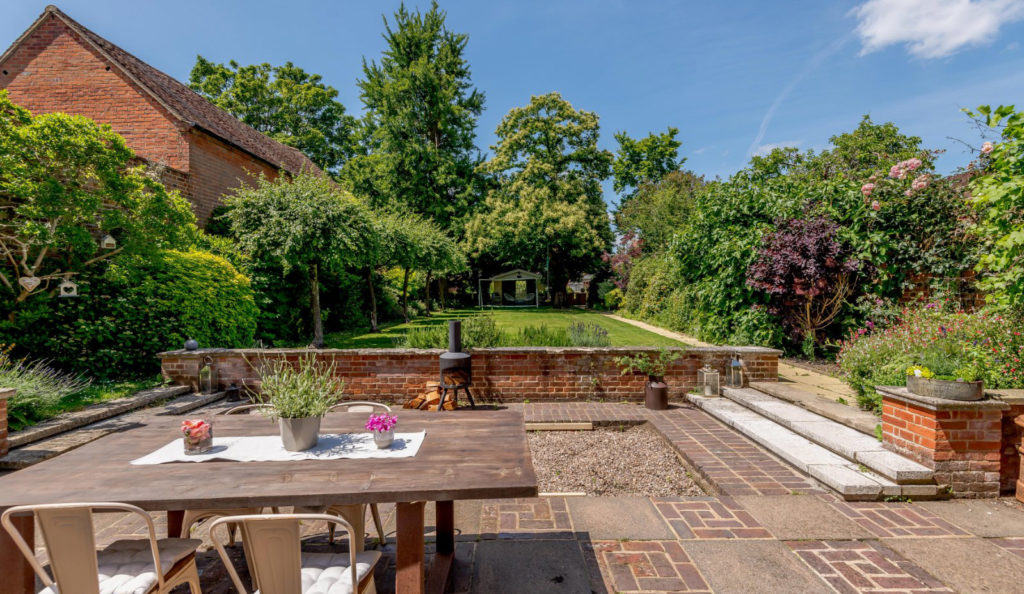 THE PIED-A-TERRE Grade II listed Merton House is in the heart of popular Henley-on-Thames, one street back from the river. It has a wood-burner in the sitting room, five bedrooms, a wine cellar and a conservatory that leads to a large garden with outbuildings. London is an hour away by train. £2.95m. Quoted "Relations between [Boris] Johnson and [Rishi] Sunak may well be the one thing that you can safely say won't be 1.5 degrees warmer by 2030." Stephen Bush in the New Statesman That's it. You're done. Been forwarded this newsletter? Sign up to receive it every day and get free access to up to Subscribe for a free three-month trial with full access to our app and website. Download our app from the App Store or Google Play
Unsubscribe from the newsletter |

August 15, 2021
Meritocracy is not always a good thing


Subscribe to:
Post Comments (Atom)


No comments:
Post a Comment