
 9 July, 2021 Hello, I don't envy novelists. Put yourself in someone else's shoes these days and you risk being accused of "cultural appropriation". (It used to be called imagination.) And if any of your characters express unfashionable views, your publishers will have a staff revolt on their hands unless the passage is quickly deleted. So I was struck by a piece in The Critic this week by a writer who says he's very much not a Tory, but wonders, not without regret: where have all the conservative novelists gone? See below. But it's not just right-wingers who are in trouble. Would Hemingway get his work through nowadays, with all that macho prose and those undoubtedly "problematic" attitudes? See The case for Hemingway, now in the app, which we'll also feature in Sunday's newsletter. I was lucky enough to spend last Monday at Wimbledon and, while there, to be given a wonderful old-fashioned tea with white bread and butter, cucumber, ham and cheese. So nice, so simple. And so different from modern teas. See Eating in, below. All good wishes,
Jon Connell Editor-in-chief
Afghanistan  An inglorious exit after 20 years "When US forces left Bagram air base last Friday, they shut off the electricity and scuttled away in the dead of night, not telling the new Afghan commander they were leaving, says Emily Tamkin in the New Statesman. It was "a fitting symbol of the US's inglorious exit". Just 650 soldiers will guard the US embassy in Kabul – a far cry from the 140,000 of a decade ago. Over a 20-year period, $2.3 trillion, 7,400 coalition lives (including 457 Britons) and 120,000 Afghan lives have been squandered in this "graveyard of empires". For what? The Taliban now controls more than a third of the country and is advancing on its cities. No wonder President Biden said "I want to talk about happy things" when he dodged questions from reporters about the state of Afghanistan. It's not all bad news, says Con Coughlin in The Daily Telegraph. Yes, the western occupation over two decades had a "bewildering array of conflicting objectives", from defeating Islamist terrorism to safeguarding female education and eradicating the drugs trade – but Afghanistan's transformation to democratic rule is a "shining achievement". It's the "high-handed approach" to the exit that sticks in the throat. The Americans barely bothered to consult the UK. Boris Johnson had no choice but to hastily withdraw all but a few of our troops, shamefully leaving the last British forces to conduct their flag-lowering ceremonies in secret. Russia and China now have all the justification they need to accuse western powers of "betraying the Afghan people in their hour of need". Meanwhile, the brave interpreters and fixers who helped coalition forces face possible beheading at the hands of a vengeful Taliban, says David Von Drehle in The Washington Post – and they've heard "zip" from Washington about a rescue plan. The Taliban were notorious for mass executions in Kabul's football stadium in the 1990s. If that happens again, Biden "will own that shame". Afghanistan's women are in peril, too, says Shabnam Nasimi in the Telegraph. Great progress had been made thanks to Nato's presence: fathers now proudly tell me "my daughter works as a doctor", and there's a greater proportion of women at the top of Afghan politics than there is in the US. But as the West turns tail, how long before women and girls are told they can't work or go to school any more? A generation saw Britain and the West as a beacon of hope. "They have been abandoned to the Taliban."

Tomorrow's world 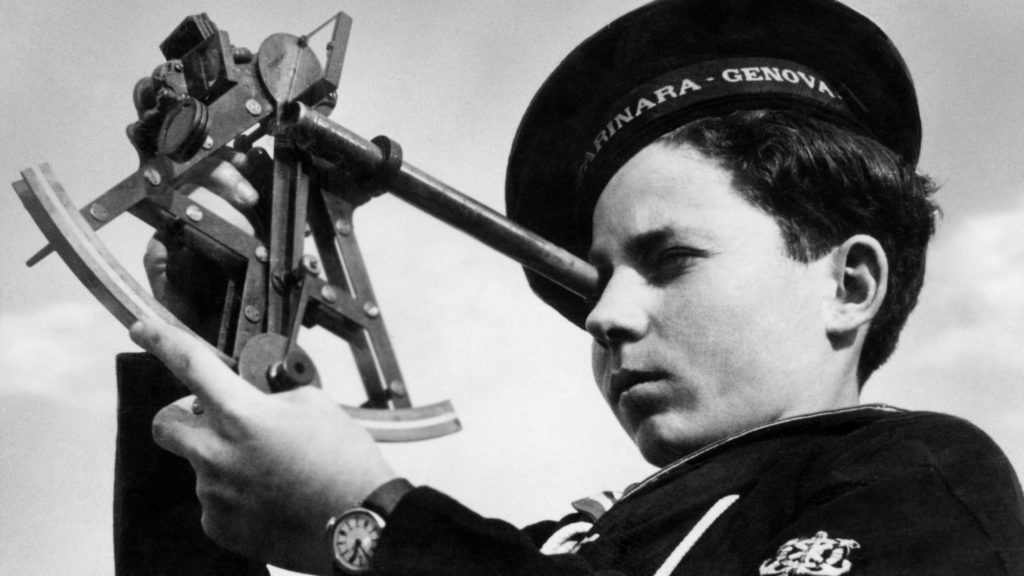 Touring Club Italiano/Marka/Universal Images Group/Getty Images The old ways are sometimes best Disruptive computer hacking is becoming more and more common, says Elisabeth Braw in the FT. Last week an attack shut down the cash registers of a Swedish supermarket chain, leaving many towns without a working store. Our best defence is workers over 50: they often began their careers before computer systems were introduced, so they know how to operate things manually. Cyberattacks on the Colonial oil pipeline in America in May, and on a Norwegian aluminium factory in 2019, were worked around by veteran employees going back to pen and paper. Aviation is one of the few industries that has "kept manual skills alive" – pilots need to be able to fly their planes if the GPS systems are knocked out. Mindful of the threat posed by hackers, the US Navy is once again teaching its sailors to navigate by the stars. Every industry needs experienced "analogue" workers as a backup: the pre-digital generation, once passed over in favour of tech-savvy youngsters, is now in high demand.
Zeitgeist How I miss Amis and Larkin I'm no Tory myself, says an anonymous writer in The Critic, and can hardly look at the current Cabinet without "feeling the need for a bath". So things have come to a pretty pass when even I despair at our total lack of Conservative novelists. But I do. In fact, nothing would give me "greater pleasure" than the emergence of some "proper right-wing literature". Or rather re-emergence. Until the mid-1990s, Britain had plenty of Tory writers, among them Kingsley Amis, Ferdinand Mount, VS Naipaul, Piers Paul Read, Anthony Powell and, of course, Philip Larkin. They didn't fill their work with propaganda, "but it was impossible to read their books without divining that their approach to life was essentially reactionary". In the late 1980s, the literary right was so popular that Margaret Thatcher would ask Amis, Larkin and Powell to dinner to discuss the issues of the day and the books of the past. "Mrs T turned out to be surprisingly knowledgeable about Dostoevsky." Boris Johnson couldn't cobble together a conservative-minded literary list if he tried. So where did the right-wing writers go? Did they die out or are they in hiding? Perhaps publishers no longer care to publish them. Or, more likely, general wokery and hostility to reactionary art means they can't publish them. But that sort of cancel culture is precisely why we need the challenge of right-wing writers so urgently. Instead our conservative literature consists of "a few tiresome journalists, a blinkered historian or three and Lionel Shriver. We can – we must – do better than this."
Property 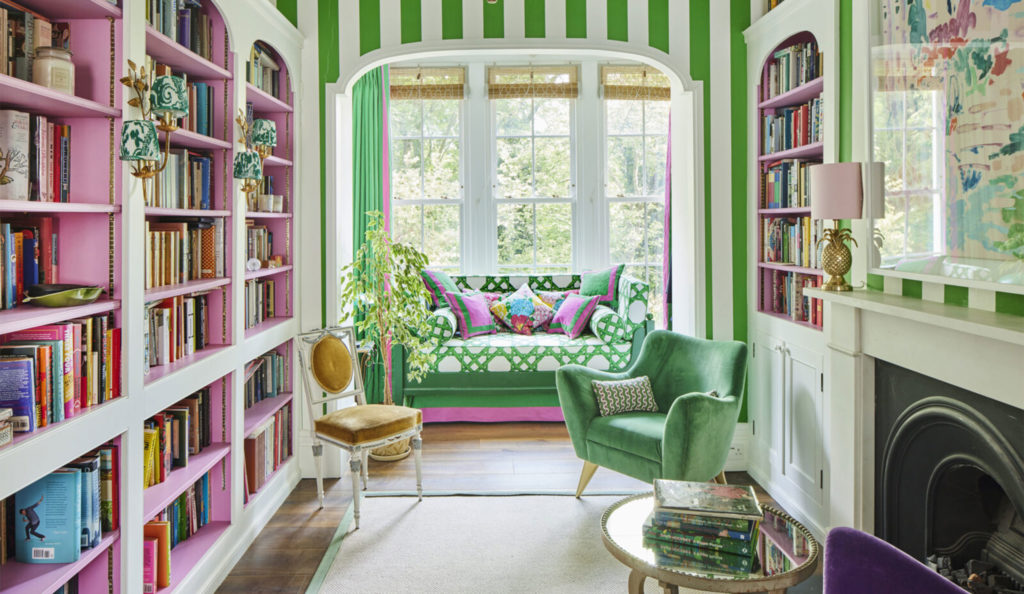 THE TOWNHOUSE This Victorian house in the Barnsbury conservation area, north London, backs on to a nature reserve and has a pretty walled garden. It has five bedrooms, a kitchen-diner and eye-popping green and white décor in the living room. It's near chichi Upper Street and there are several food markets within walking distance. £3.25m.
Staying young Monkeying around keeps us healthy Wild chimps can teach us a lot about healthy ageing, says Tim Vernimmen in National Geographic. They have better health in old age than lab chimps, largely because they have more space to roam. The oldest known wild chimpanzee, Auntie Rose, died in early 2007, aged 63; chimps at biomedical research facilities in the US were considered "geriatric" once they passed 35. The fate of "ailing captive chimps" offers a stark warning to humans: "It's not physical activity, but inactivity, that makes us frail." Older people tend to grow less active as they age, succumbing to the "self-fulfilling prophecy that their bodies are naturally weakening". Yet wild chimps like Auntie Rose, who walk miles a day to find food and don't receive medical care, appear to age in a much healthier way."
Eating in We've lost our taste for simple teas Afternoon tea has "changed utterly" in the past century, says Melanie McDonagh in The Spectator. A typical tea in the 1920s consisted of bread and butter, razor-thin cucumber sandwiches, scones, rock buns and, of course, cakes – plum, madeira, caraway seed. It made a good show, but was essentially a simple meal "designed to fill you up as cheaply as possible". Today's glitzy afternoon teas are "over the top and absurdly expensive" in comparison. At £70 a head, Claridge's "extraordinarily elaborate" tea includes Dorrington ham sandwiches on onion bread, earl grey macarons, and vanilla religieuses. It's designed for a modern palate that is addicted to sugar. We've lost our taste for "restrained simplicity" and are missing out on the "humble pleasure of a buttered crumpet".
Quoted "Ever since the England team embraced Marxism, they've been excellent." Teacher James Armstrong on Twitter That's it. You're done. Been forwarded this newsletter? Sign up here to receive it every day Click here to register for full access to our app and website Download our app in the App Store Follow us on Instagram
Unsubscribe from the newsletter |

July 09, 2021
An inglorious exit from Afghanistan


Subscribe to:
Post Comments (Atom)


No comments:
Post a Comment